Fintech Software Development for Banks and Lenders
We help financial institutions replace fragile legacy workflows with secure, well-integrated software and the operational teams to run it. From digital onboarding and payments to fraud operations and customer service, our engineers design for regulator scrutiny from the first sprint.

Industry challenges
Why financial software projects stall
Most banks and fintechs we speak with are not short on ideas. They are constrained by core systems, compliance overhead and the cost of running operations around the clock.
Core systems that resist change
Core banking and card platforms were built for batch processing, not real-time APIs. Every new digital product needs a careful integration layer, or teams end up duplicating data and reconciling it by hand at the end of each day.
Compliance that slows every release
Security reviews, vendor risk questionnaires and audit evidence are often assembled manually after the fact. Without controls built into the delivery pipeline, release cycles stretch from weeks into quarters and product teams lose momentum.
Fraud and operational risk at scale
Faster payments shrink the window to catch suspicious activity. Monitoring teams need tooling that surfaces the right alerts with context, and processes that work at 3 a.m. as reliably as they do during business hours.
Customer expectations set by consumer apps
Account holders compare a bank to the best app on their phone. Slow onboarding, long hold times and disconnected channels show up directly in reviews, attrition and the cost of acquiring each new customer.
Expensive, hard-to-staff operations
Contact centers, card operations and back-office teams are costly to scale domestically. Many institutions need extended coverage without compromising data handling standards or customer experience.
Digital transformation
Where modernization pays off first
The highest returns usually come from the seams between systems rather than from replacing the core. An API layer in front of legacy platforms lets product teams ship digital onboarding, account servicing and payment features without destabilizing the system of record. Once data flows through well-defined interfaces, automation becomes practical: KYC document checks, dispute intake, card replacement requests and routine service inquiries can be handled with far less manual effort and a cleaner audit trail.
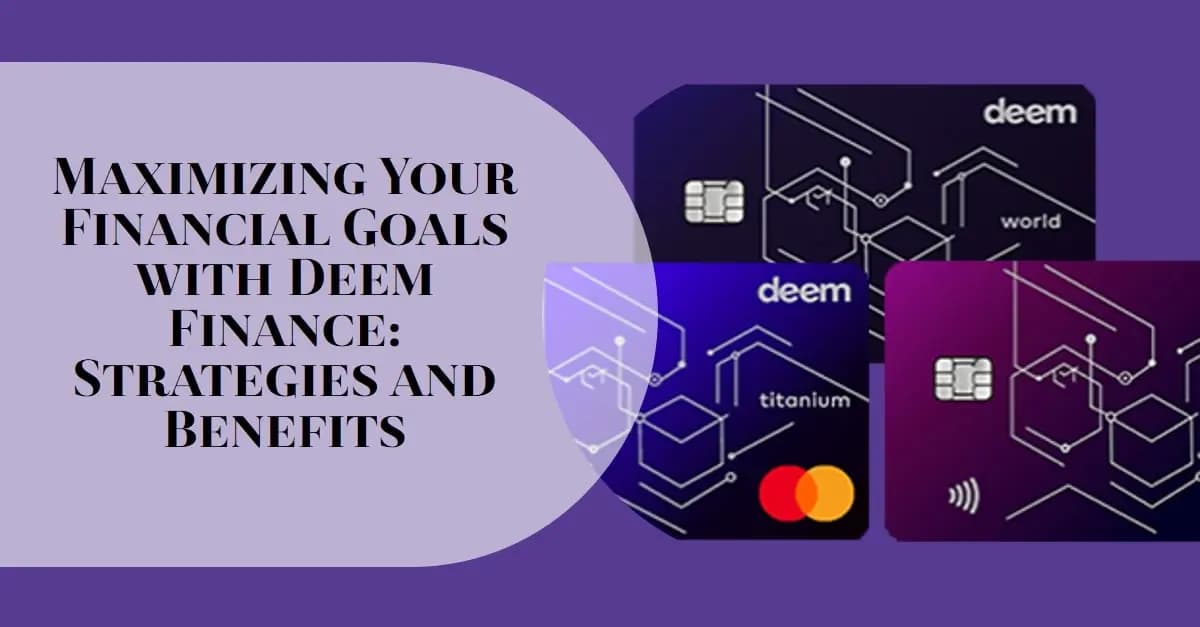
The second opportunity is operational. Pairing modern CRM tooling and AI-assisted chat with trained offshore operations teams gives institutions extended coverage for fraud monitoring, card operations and customer service at a lower cost base. In our engagement with a UAE banking institution, documented in the Deem Finance case study, this combination of operations support and digital enablement contributed to a 50% cost reduction and a 400% increase in ENR sales.
Solutions
Fintech and banking solutions we build
Digital onboarding and KYC workflows
Web and mobile account opening with identity verification, document capture, risk scoring hooks and case management for exceptions, designed so compliance teams can review every decision and the reasoning behind it. Drop-off points are instrumented so product teams can see exactly where applicants abandon the flow.
Payment and transaction platforms
Payment initiation, ledgering, reconciliation and settlement services built around idempotent APIs and clear event histories, so finance and operations teams can trace every transaction from request to posting. Retry handling is designed so duplicate submissions never create duplicate payments.
Core system integration layers
Secure APIs and middleware that expose core banking, card and loan systems to modern channels, with throttling, versioning and monitoring that protect fragile back ends from unexpected load. New channels can launch without waiting on core vendor release cycles.
Lending and credit workflows
Loan origination portals, underwriting queues, document collection and servicing dashboards that connect applicants, credit analysts and existing decisioning tools without manual re-keying of application data. Status updates keep applicants informed and reduce inbound calls to loan officers.
Fraud and operations tooling
Alert triage consoles, case management and reporting for fraud, disputes and card operations, giving analysts the transaction context they need and managers visibility into queues and service levels. Workflows follow your existing monitoring rules and escalation paths.
AI-assisted customer service
Chatbots and agent-assist tools for balance inquiries, card controls and service requests, with clear handoff to human agents and guardrails that keep sensitive actions behind proper authentication. Every conversation is logged for quality review and compliance sampling.
Regulatory and management reporting
Data pipelines and Power BI dashboards that consolidate operational, risk and customer metrics, reducing the spreadsheet work behind board packs and regulator requests. Metric definitions are documented once so every team reports the same numbers.
Security & compliance
Security and compliance by design
Financial software is judged by examiners and auditors as much as by users. We design for alignment with the frameworks your institution already reports against, building controls into architecture, code review and deployment rather than adding them at the end. That includes encryption in transit and at rest, least-privilege access, segregation of duties in release pipelines and logging that supports investigation.
We do not hold these certifications on your behalf, and we never position our work as a substitute for your compliance program. Instead, we produce the technical evidence your risk, audit and vendor management teams need, and we work within your policies for data residency, third-party access and incident response.
- PCI DSS: cardholder data scoping, tokenization patterns and network segmentation
- SOC 2: access control, change management and monitoring evidence
- GLBA: safeguards for nonpublic personal information
- Secure SDLC with code review, dependency scanning and penetration testing
- Audit logging and traceability for every privileged action
Technology
Technologies we apply
 .NET Core
 Node.js
 Python
 React
 SQL Server
 Oracle
 Microsoft Azure
 Kubernetes
 Power BI
Outcomes
Business outcomes we work toward
- 01
Lower cost to serve
Automation and offshore operations reduce the effort behind routine servicing. The Deem Finance engagement recorded a 50% cost reduction alongside improved operational efficiency.
- 02
Better customer sentiment
Faster resolutions and consistent service improve how customers rate an institution. In the Deem Finance case study, Google reviews rose from 2.0 to 3.5.
- 03
Faster, safer releases
Integration layers and automated controls let product teams ship digital features without waiting on core system changes or manual compliance reviews for every deployment.
- 04
Audit-ready evidence
Logging, access reviews and change records are generated as part of delivery, so audit and vendor risk requests take hours of collation rather than weeks.
Services
Services for Fintech & Banking
Custom Software Development
Purpose-built software engineered around how your business actually operates, with clean architecture and full code ownership.
Explore serviceAPI Development & Integrations
Well-designed APIs and dependable third-party integrations that connect your products, partners and internal systems.
Explore serviceAI Chatbot Development
Custom AI chatbots and conversational assistants that resolve customer and employee questions using your own knowledge, systems and policies.
Explore serviceGovernance, Risk & Compliance
Risk assessments, security policies and compliance readiness for frameworks such as SOC 2, ISO 27001, HIPAA and PCI DSS.
Explore serviceManaged Cybersecurity Services
Security audits, threat monitoring, incident response and network security delivered as an ongoing, leadership-led managed security program.
Explore serviceBPO Services
Offshore customer support, telesales and back-office teams trained on your process, measured on your KPIs and scaled with demand.
Explore service
Building for Fintech & Banking?
Speak with a team that already understands your sector’s systems, regulations and customers.

FAQ
Fintech & Banking FAQs
Can you integrate with our existing core banking system instead of replacing it?
Yes, and that is usually the approach we recommend. We build an integration layer of secure APIs and event streams in front of the core platform, so new digital products read and write through controlled interfaces. This protects the system of record, limits change risk and lets you modernize channel by channel. Replacement only makes sense when the core can no longer meet regulatory or performance needs.
Are you PCI DSS or SOC 2 certified?
We do not claim certifications we have not been independently audited for. What we do is design and build software for alignment with PCI DSS, SOC 2 and GLBA requirements, and produce the technical evidence your auditors expect: data flow diagrams, access control records, change logs and test results. Your institution remains the certified entity, and we work inside your control framework.
What drives the cost of a fintech software project?
Cost typically depends on the number of systems to integrate, the regulatory scope, the channels involved and how much operational tooling sits behind the customer experience. A single onboarding flow on top of a modern API is very different from a multi-product platform touching card, loan and deposit systems. We scope a discovery phase first, then estimate delivery in phases tied to business milestones.
How do you protect customer data when offshore teams are involved?
Access is granted on a least-privilege basis, through your identity provider where possible, and production data is masked or tokenized in non-production environments. Operations staff work in controlled environments with monitored sessions, and we follow your policies for data residency and third-party access. Every privileged action is logged so your security team can review it at any time.
Can you support operations as well as software delivery?
Yes. Ability runs managed operations alongside engineering, covering customer service, card operations, fraud monitoring and back-office processing. The Deem Finance case study shows this combined model in practice. Running both means the people who use the tooling every day feed directly into the product backlog, which shortens the loop between an operational problem and a software fix.