Custom Software Development Company
When spreadsheets, disconnected tools and generic platforms start slowing your team down, we design and build software that fits your workflows, integrates with what you already run, and stays maintainable as you grow.

What you get
- Discovery and solution architecture
- Internal operations tools
- Customer-facing portals
- Data models and reporting
The challenge
Off-the-shelf tools stop fitting long before the business stops growing
Most companies reach a point where their operations have outgrown the software they bought. Teams copy data between systems, maintain shadow spreadsheets, and build workarounds that only one person understands. Each new hire inherits those workarounds, and every process change requires negotiating with a vendor roadmap you do not control. The cost rarely shows up as a single line item; it shows up as slower decisions, more errors and lost capacity.
Commissioning custom software carries its own risk. Many buyers have been burned by vendors who delivered late, wrote code nobody else could maintain, or disappeared after launch. CTOs and founders need a partner who scopes honestly, makes architecture decisions they can defend to a board, and hands over a codebase their own team can own and extend without starting over.
Workflows forced into generic tools
Your differentiating processes get flattened to match a product built for the average customer, and the gaps are filled with manual steps.
Data scattered across systems
Customer, order and operational data live in separate tools, so reporting is slow and nobody fully trusts the numbers.
Fear of vendor lock-in
Previous agencies left behind undocumented code, proprietary frameworks or hosting you cannot move, which makes every change expensive.
Unclear scope and budget
Without a disciplined discovery phase, estimates swing widely and features expand until the release date slips out of reach.
Our approach
How we build custom software you can own for years
We start from the business outcome, not the feature list. In discovery we map the workflow end to end, identify where time and accuracy are lost, and agree on a first release that removes the most expensive friction. That release is scoped tightly enough to ship, measure and learn from, while the architecture leaves room for what comes next. Later phases are planned against evidence from real users.
Engineering follows conventions your future team will recognize: mainstream frameworks such as React, Next.js, Node.js, Django and .NET Core, typed code, automated tests and documented infrastructure. You own the repository, the cloud accounts and the intellectual property from day one, and we work in your tools so knowledge never sits only with us. Architecture decisions are recorded with their reasoning, so future engineers understand not just what was built but why.
Outcome-first scoping
Every feature is traced to a measurable business problem, which keeps the backlog honest and the first release small enough to deliver with confidence.
Boring, proven technology
We choose widely supported frameworks over novelty so you can hire for the stack, find answers quickly and avoid dependence on a niche tool.
Transparent delivery
Working software is demonstrated at the end of every sprint, and the backlog, estimates and risks are visible in your Jira or equivalent at all times.
Ownership from day one
Code, credentials, documentation and IP are yours throughout the engagement, not handed over as an afterthought at the end.
Capabilities
Custom software development services
Engagements range from a single internal tool to a multi-module platform. These are the capabilities we most often combine.
Discovery and solution architecture
Workshops with stakeholders and end users to document workflows, data flows and constraints, followed by an architecture proposal, a phased roadmap and an estimate you can plan budgets against. Discovery also surfaces compliance and data constraints early, before they become late surprises.
Internal operations tools
Back-office applications for approvals, scheduling, inventory, field operations and case management that replace spreadsheets and email chains with structured, auditable workflows tailored to your roles and permissions. Each tool is designed around the people who use it daily, with clear audit history for managers.
Customer-facing portals
Secure portals where clients can onboard, submit requests, track status, download documents and pay invoices, connected directly to the internal systems your staff already use. Portals reduce inbound email and phone volume because clients can find answers and complete routine tasks themselves at any hour.
Data models and reporting
Relational and document data models in PostgreSQL, SQL Server or MongoDB designed for integrity and reporting, with dashboards in Power BI or embedded analytics where teams need them. Good modeling up front prevents the duplicate records and conflicting totals that undermine trust in reports later.
Integration with existing systems
Connectors to your CRM, ERP, accounting, identity provider and messaging tools so custom software extends your current stack rather than becoming another island of data. Every connector includes retries, logging and alerts, so a failed sync is noticed and corrected rather than silently ignored.
Rescue and re-platforming
Assessment of an inherited or stalled codebase, a frank recommendation on whether to refactor or rebuild, and an incremental plan that keeps the business running during the transition. Where a rebuild is justified, we migrate users and data in stages instead of switching everything over on one weekend.
Quality engineering
Automated unit, integration and end-to-end tests, code review standards and staging environments that let you release frequently without relying on manual regression checks before every deployment. Test suites run on every pull request, so defects are caught by the pipeline while the change is still fresh in the developer's mind.
Solutions
What we build
- Workflow and approval systems
- Client and partner portals
- Quoting, ordering and billing tools
- Scheduling and dispatch applications
- Document generation and e-signature flows
- Operational dashboards and KPI reporting
- Role-based admin consoles
Technology
Tools we use for this work
 React
 Next.js
 TypeScript
 Node.js
 Django
 .NET Core
 PostgreSQL
 AWS
 Microsoft Azure
See the full stack on our technologies page.
Specialised services
Focused custom software development services
- Legacy Application ModernizationIncremental modernization of aging applications: new architecture, current frameworks and migrated data without stopping the business.
- Software Integration ServicesReliable connections between your CRM, ERP, finance and line-of-business systems, with monitoring, retries and clear data ownership.
- MVP DevelopmentA focused first version of your product, built to test the riskiest assumption with real users on code that can grow into the full platform.
Process
Our Custom Software Development process
Step 1
Workflow discovery
We interview the people who do the work, shadow key processes and document where time, data and accuracy are lost. The output is a prioritized problem list, user roles and a candidate scope for the first release.
Step 2
Architecture and estimate
We propose the system boundaries, data model, integrations and hosting approach, then estimate the first release in ranges with explicit assumptions so you understand what drives cost before any code is written.
Step 3
Clickable prototype
Core screens are prototyped in Figma and tested with real users. Changing a layout at this stage costs hours, while discovering the same issue after development would cost sprints. It also gives stakeholders something concrete to react to.
Step 4
Iterative build
Two-week sprints deliver working, tested increments to a staging environment you can access. Priorities can shift between sprints as you learn, without renegotiating the whole engagement. Each sprint ends with a demo and a short review of risks and priorities.
Step 5
Launch and handover
We plan data migration, train users, monitor the first weeks in production and deliver runbooks and architecture notes. Ongoing support or a full handover to your internal team are both options.
Planning a Custom Software Development project?
Get an architect’s view on scope, approach and team before you commit budget.

Outcomes
What changes for your business
- 01
Less manual work
Repetitive data entry and reconciliation are automated, freeing skilled staff to focus on judgment-based work rather than copying information between tools.
- 02
One source of truth
Consolidated data models mean reports reflect the same numbers across departments, so leadership decisions rest on information people trust.
- 03
A codebase you control
Mainstream frameworks, documentation and full repository ownership let you hire, extend or switch partners without rewriting the product.
- 04
Software that adapts
When a process changes, you change the software on your schedule instead of waiting for a vendor to prioritize your request.
- 05
Predictable delivery
Small, demonstrable releases reduce the risk of large surprises and make progress visible to stakeholders throughout the project.
Proof
Related case studies
 AI
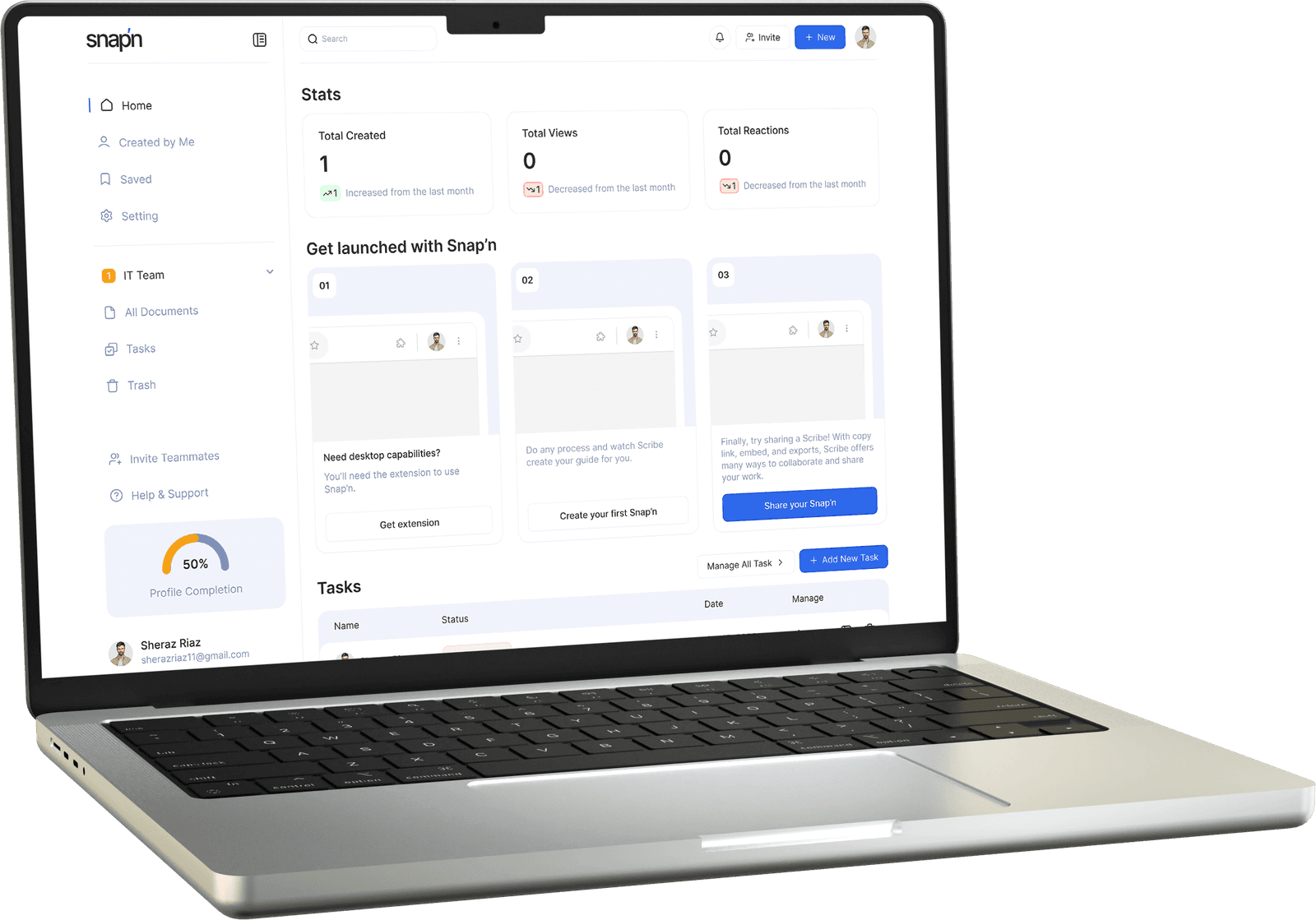
Snapn
Snapn: Accelerating Documentation with AI Workflow Automation
Ability designed and engineered Snapn’s AI-powered documentation platform, helping teams create, manage and scale knowledge with far less manual effort.
- Documentation Time Reduced
- 68%
- Team Productivity Increase
- 2.7x
 Banking
UAE Banking & Fintech Institution
UAE Banking Institution: From Legacy Operations to Digital Fintech
Ability helped a UAE banking financial institution modernize customer and core banking operations through offshore delivery, AI-powered automation and digital infrastructure upgrades.
- Cost Reduction
- 50%
- Increase in ENR Sales
- 400%
 Streaming
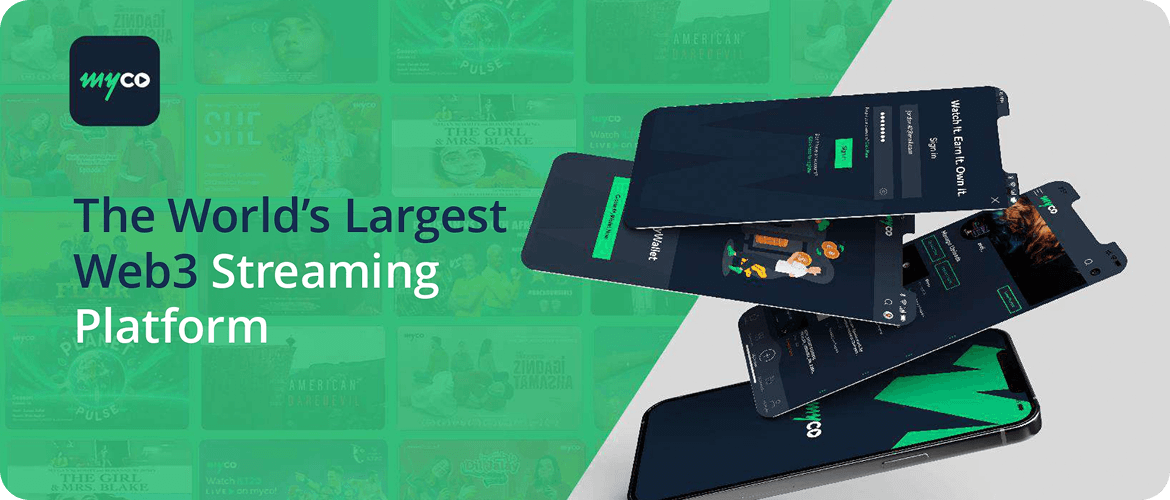
MYCO
MYCO: Building and Scaling a Global Web3 Streaming Platform
Ability TechHub partnered with MYCO from its early growth phase to architect, scale and operate a Web3 streaming platform that supports millions of users globally.
- Global users supported
- Millions
- Streaming latency
- Reduced
Industries
Industries we serve with Custom Software Development

Fintech & Banking
Fintech software development for banks, lenders and payment companies that need secure platforms, modern customer operations and audit-ready delivery.
Learn more
Logistics & Supply Chain
Logistics software development for carriers, 3PLs and shippers that need real-time visibility, connected partners and fewer manual handoffs.
Learn more
Healthcare
Healthcare software development for providers and health tech companies that need secure, interoperable systems clinicians and patients actually use.
Learn more
Startups & SaaS
Software development for startups and SaaS companies that need to validate quickly, ship a dependable product and scale engineering without slowing down.
Learn more
FAQ
Custom Software Development FAQs
How much does custom software development cost?
Cost typically depends on the number of user roles and workflows, the integrations required, data migration complexity, compliance needs and how polished the interface must be. We provide a ranged estimate after a short discovery phase, with assumptions listed so you can see which decisions move the number. Phasing the work into a focused first release is the most reliable way to control spend.
Who owns the source code and intellectual property?
You do. Our contracts assign IP to the client, and we work in repositories and cloud accounts registered to your organization from the start. That means you hold the code, the infrastructure credentials and the documentation throughout the project, and you can continue development internally or with another partner at any point without negotiating a transfer.
Should we build custom software or buy an existing product?
Buy when your process is standard and a mature product already handles it well, such as payroll or general ledger accounting. Build when the workflow is a source of competitive advantage, when integration gaps create ongoing manual work, or when per-seat licensing becomes expensive at scale. We often recommend a hybrid: keep commodity tools and build the layer that connects and extends them.
How long does a typical project take?
Timelines typically depend on scope, integration complexity and how quickly stakeholders can review and decide. A focused internal tool can reach production far sooner than a multi-module platform with legacy data migration. We plan the first release to deliver value early, then schedule further phases based on what users need most once the software is in their hands.
Can you take over an existing codebase from another vendor?
Yes. We begin with a code and infrastructure audit covering architecture, test coverage, dependency health, security issues and deployment practices. You receive a written assessment and a recommendation to stabilize, refactor or progressively replace components. We avoid big-bang rewrites where possible because they pause delivery and concentrate risk at a single cutover date.
How do you work with US teams across time zones?
We maintain a presence in Austin and run delivery teams across several regions, so we schedule overlap hours for standups, sprint reviews and urgent decisions in US business time. Communication happens in your Slack, Teams or Jira, and a named delivery lead is accountable for status, risks and escalation throughout the engagement.
Related services
Often combined with
Web Application Development
Fast, secure and accessible web applications built with React and Next.js, designed for real users and real traffic.
Explore serviceEnterprise Software Development
Secure, integrated enterprise systems that modernize legacy platforms and connect departments without disrupting operations.
Explore serviceAPI Development & Integrations
Well-designed APIs and dependable third-party integrations that connect your products, partners and internal systems.
Explore service