Web Application Development Services
We build browser-based products, portals and dashboards that load quickly, work on every device and hold up under growth, using React, Next.js and well-structured back ends your team can maintain.

What you get
- Next.js and React applications
- Dashboards and data-heavy interfaces
- Progressive web apps
- Authentication and access control
The challenge
A slow or fragile web app costs you users before it costs you servers
For most products, the web application is the business: it is where customers sign up, transact and decide whether to stay. Yet many web apps are assembled quickly for a launch and never revisited. Pages grow heavier, state management becomes tangled, and every release risks breaking a flow nobody tested. Users notice sluggish screens and confusing errors long before engineering dashboards flag a problem.
Technical leaders face a second challenge in the front end itself. The JavaScript ecosystem moves quickly, and choices about rendering, caching, authentication and component structure have long-lasting consequences. Getting those choices wrong produces an app that ranks poorly in search, fails accessibility reviews and becomes expensive to change. The goal is a web application that is fast by default and easy to evolve.
Sluggish load and interaction times
Oversized bundles, unoptimized images and chatty API calls make pages feel slow, especially on mobile networks where many users first arrive.
Front-end code that resists change
Inconsistent components and global state make simple UI changes risky, so teams slow down or avoid improvements altogether.
Poor search visibility
Client-only rendering and missing metadata prevent marketing and product pages from being indexed and shared effectively.
Accessibility and security gaps
Missing keyboard support, weak session handling and unvalidated inputs expose the business to user frustration, legal risk and attacks.
Our approach
Our approach to web application development
We pick the rendering strategy per route rather than per project. Marketing and content pages are statically generated or server-rendered for speed and search visibility, while authenticated product screens use client-side interactivity where it improves the experience. Next.js lets us combine these patterns in one codebase, with caching rules that keep data fresh without overloading your APIs. Those decisions are documented per route for future maintainers.
On the front end we build a small, typed component library early, styled with Tailwind CSS or Material UI, so every new screen reuses tested building blocks. Performance budgets, accessibility checks and end-to-end tests run in the pipeline, which means regressions are caught in a pull request rather than reported by a customer. Each pull request also gets its own preview deployment, so product owners can review changes in a real browser before they merge.
Performance as a requirement
We set budgets for page weight and interaction responsiveness at the start and measure them on every build, not just before launch.
Accessible by default
Semantic markup, keyboard navigation, focus management and contrast are built into shared components, so accessibility does not depend on each developer remembering.
Typed end to end
TypeScript across the front end and API contracts reduces a whole class of runtime bugs and makes refactoring safer as the app grows.
Capabilities
Web application development capabilities
From a first product release to the modernization of an aging web platform, these capabilities cover the full stack of a modern web app.
Next.js and React applications
Production web apps using the App Router, server components and route-level rendering choices, structured so product and marketing surfaces can share design, authentication and data access cleanly. We document rendering and caching choices per route so future developers understand why each page behaves as it does.
Dashboards and data-heavy interfaces
Tables, filters, charts and real-time updates designed to stay responsive with large datasets, using virtualization, pagination and caching rather than loading everything into the browser at once. Interactions such as sorting and filtering stay fast because heavy computation happens on the server or in efficient queries.
Progressive web apps
Installable web apps with offline support, background sync and push notifications for teams that need app-like behavior without maintaining separate native codebases for every platform. A PWA is often the most economical way to test demand for mobile usage before investing in native development.
Authentication and access control
Single sign-on, multi-factor authentication, role-based permissions and secure session management, integrated with identity providers such as Microsoft Entra ID or your existing user directory. Permission checks are enforced on the server for every request, never only hidden in the interface, so users cannot reach data outside their role.
Back ends for the web
Node.js, Django, FastAPI or Laravel services with PostgreSQL or MongoDB, exposing well-defined APIs that the web app consumes and that mobile or partner clients can reuse later. Clear API boundaries also make it easier to scale or replace one part of the system without touching the rest.
Front-end modernization
Incremental migration from legacy jQuery, AngularJS or monolithic server templates to React, route by route, so users see improvements without a risky full replacement. Legacy and modern screens share sessions and styling during the transition, and each migrated route is measured against the old one for speed and errors.
Technical SEO and Core Web Vitals
Metadata, structured data, sitemaps, image optimization and rendering fixes that help public pages get indexed correctly and meet the performance signals search engines evaluate. We work alongside your marketing team so content, analytics and engineering changes reinforce one another rather than compete for priority.
Solutions
Web applications we deliver
- Customer self-service portals
- Analytics and reporting dashboards
- Booking and scheduling platforms
- Marketplaces and listing sites
- Member and community platforms
- Admin and back-office consoles
- Headless commerce storefronts
Technology
Tools we use for this work
 React
 Next.js
 TypeScript
 Tailwind CSS
 Material UI
 Node.js
 FastAPI
 Laravel
 PostgreSQL
 Redis
See the full stack on our technologies page.
Specialised services
Focused web application development services
- Progressive Web App DevelopmentInstallable, offline-capable web apps that load fast on weak networks and reach every device from a single codebase.
- Customer Portal DevelopmentSecure self-service portals where customers view accounts, orders, documents and support history, connected to the systems you already run.
- Internal Tools DevelopmentAdmin panels, dashboards and workflow apps for operations, finance and support teams, replacing spreadsheets and manual workarounds.
- Headless CMS DevelopmentStructured content platforms that let editors publish to websites, apps and other channels while developers build fast, flexible front ends.
- Web Application MaintenanceOngoing care for live web applications: security updates, dependency upgrades, bug fixes, performance tuning and uptime monitoring.
Process
Our Web Application Development process
Step 1
User journeys and route map
We define the key journeys, the routes that support them and which pages must be public, indexable or authenticated. This route map drives rendering, caching and security decisions for the rest of the build.
Step 2
Design system foundation
Typography, spacing, color tokens and core components are built first and documented, so feature screens assemble quickly and look consistent across the application from the first sprint onward. Each component ships with documented variants and states.
Step 3
Vertical feature slices
Each feature is built through the full stack, from database to API to interface, and deployed to a preview URL so stakeholders review working functionality rather than isolated components. Feedback arrives while changes are still easy to make.
Step 4
Performance and accessibility hardening
Before launch we profile real devices and throttled networks, audit accessibility with automated tools and manual keyboard testing, and fix the slowest routes and most serious barriers first. Results are recorded as a baseline for future releases.
Step 5
Release and real-user monitoring
We launch behind feature flags where useful, track errors and real-user performance data, and use that evidence to plan the next iteration rather than relying on assumptions. Findings are reviewed with you in a post-launch session.
Planning a Web Application Development project?
Get an architect’s view on scope, approach and team before you commit budget.

Outcomes
What changes for your business
- 01
Faster perceived performance
Users reach meaningful content and complete actions sooner, which supports conversion and reduces abandonment on critical flows.
- 02
Better search discoverability
Server-rendered public pages with correct metadata give search engines and social platforms the content they need to index and preview.
- 03
Quicker feature delivery
A shared component library and typed APIs let your team ship new screens without re-solving layout, state or validation each time.
- 04
Broader accessibility
Interfaces that work with keyboards and assistive technologies serve more users and reduce exposure to accessibility complaints.
- 05
Fewer production regressions
Automated end-to-end tests and preview deployments catch broken journeys before they reach customers.
Proof
Related case studies
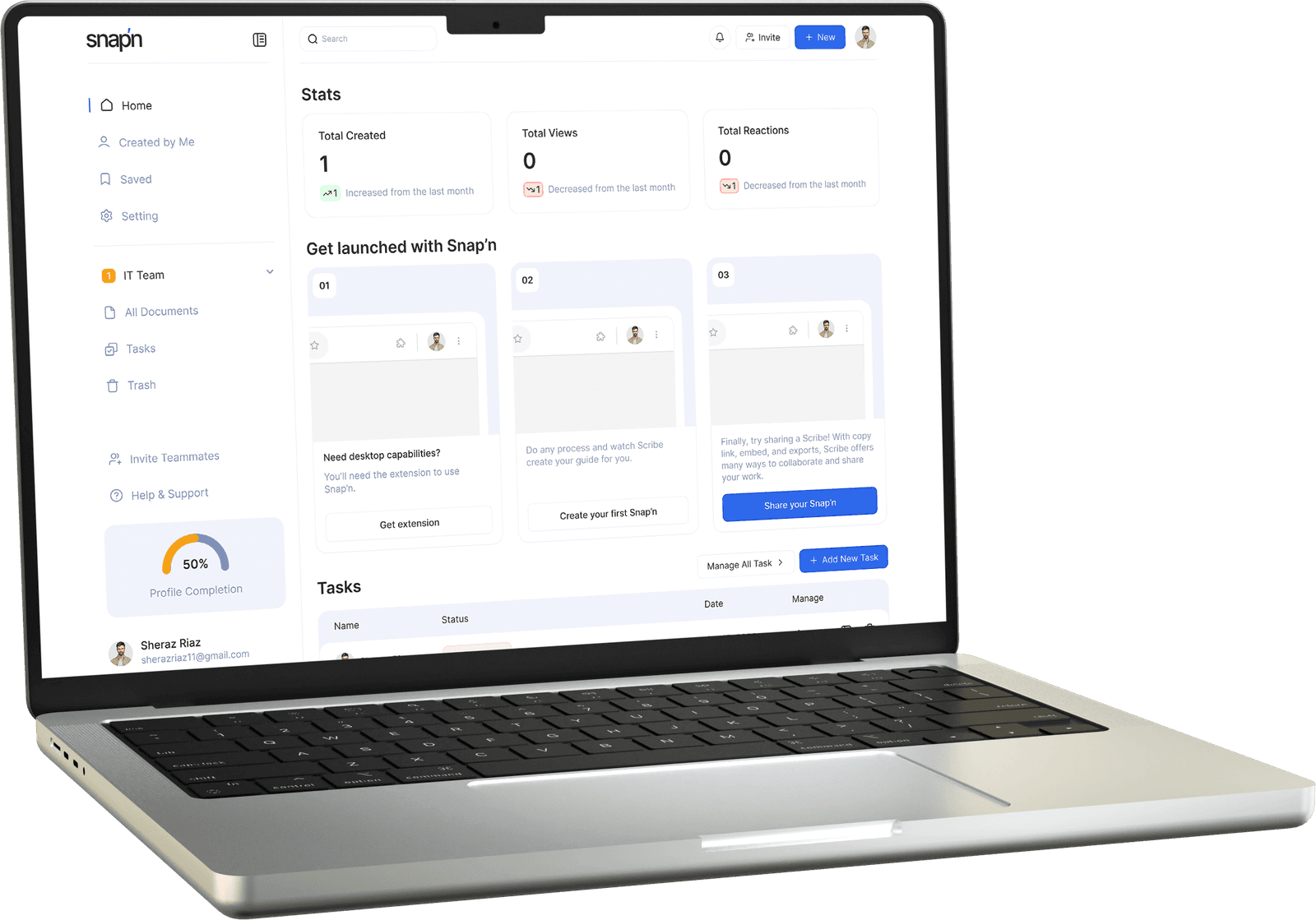 AI
Snapn
Snapn: Accelerating Documentation with AI Workflow Automation
Ability designed and engineered Snapn’s AI-powered documentation platform, helping teams create, manage and scale knowledge with far less manual effort.
- Documentation Time Reduced
- 68%
- Team Productivity Increase
- 2.7x
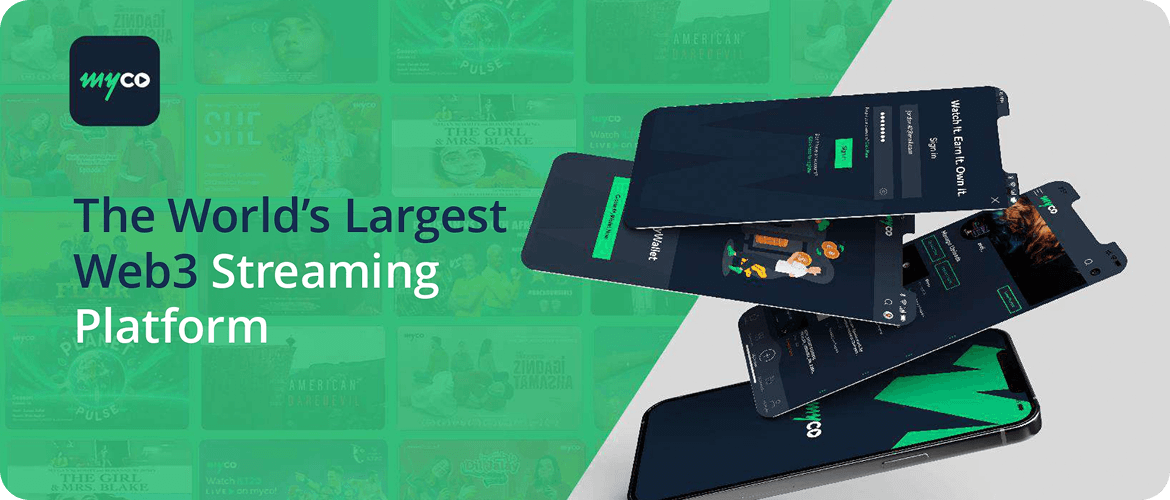 Streaming
MYCO
MYCO: Building and Scaling a Global Web3 Streaming Platform
Ability TechHub partnered with MYCO from its early growth phase to architect, scale and operate a Web3 streaming platform that supports millions of users globally.
- Global users supported
- Millions
- Streaming latency
- Reduced
Industries
Industries we serve with Web Application Development

Startups & SaaS
Software development for startups and SaaS companies that need to validate quickly, ship a dependable product and scale engineering without slowing down.
Learn more
Retail & E-commerce
Ecommerce software development for retailers and consumer brands that need fast storefronts, connected inventory and operations that scale with demand.
Learn more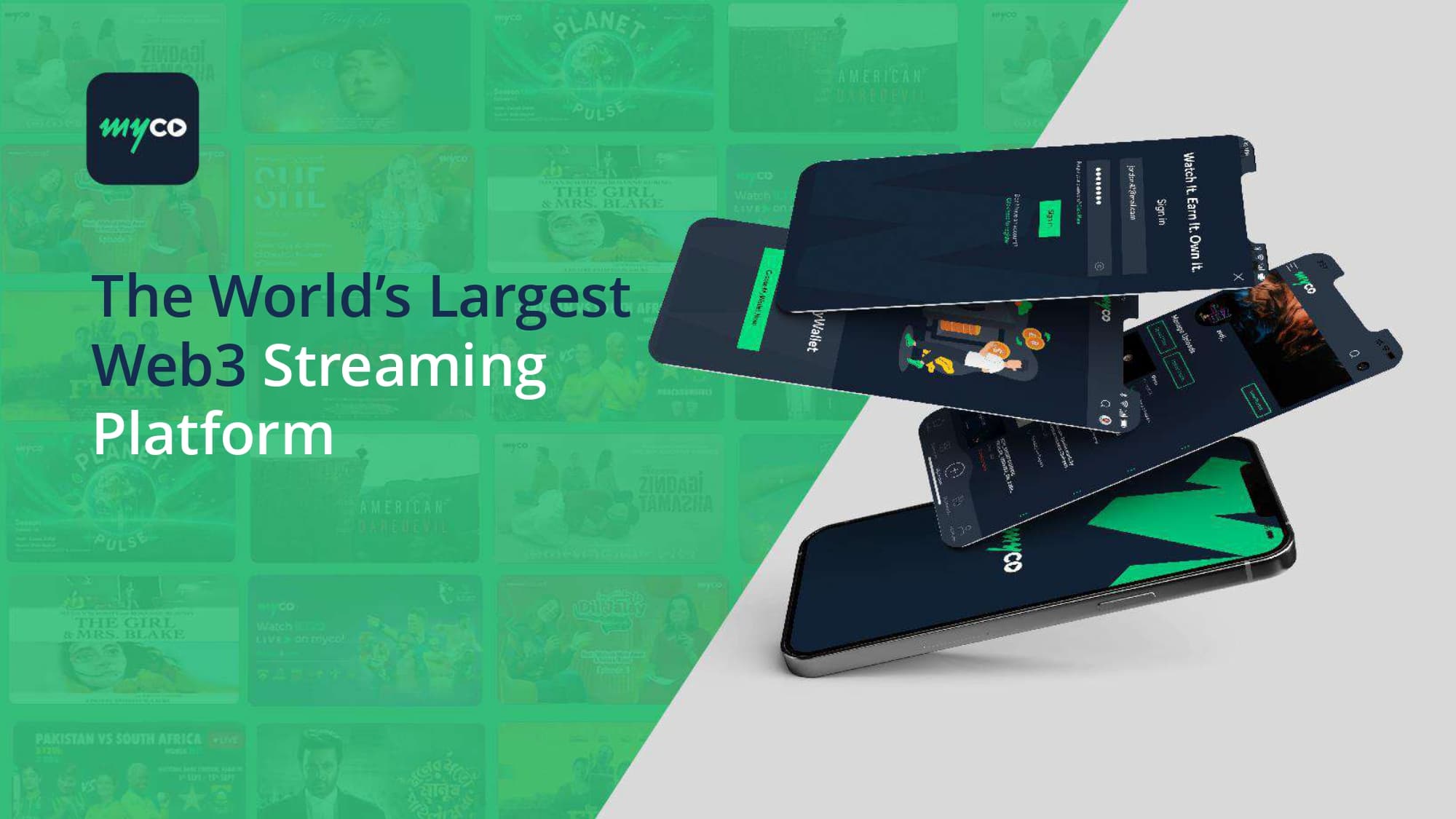
Media & Entertainment
Streaming platform development for media companies and creators that need reliable playback, global scale and new ways to monetize content.
Learn more
Education & EdTech
Education software development for institutions and edtech companies building learning platforms, student systems and data tools that respect student privacy.
Learn more
FAQ
Web Application Development FAQs
Why do you recommend Next.js for most web applications?
Next.js lets a single React codebase mix static pages, server rendering and rich client interactivity, which suits products that need both search visibility and complex logged-in features. It has a large talent pool, strong documentation and mature hosting options. When a project is purely an internal tool with no public pages, we may recommend a simpler React setup instead.
What drives the cost of a web application?
The main factors are the number of distinct user roles and screens, the complexity of the data and business rules behind them, integrations with third-party services, real-time requirements, and accessibility or compliance standards. Design polish and the state of any existing back end also matter. We estimate in ranges after discovery and highlight which features carry disproportionate cost.
Do you build the back end as well as the front end?
Yes. We design and build APIs, databases, background jobs and authentication alongside the interface, typically with Node.js, Django, FastAPI or Laravel. Building both sides together keeps contracts aligned and avoids the integration delays that occur when front-end and back-end teams work from different assumptions. We can also build only the front end against your existing APIs.
How do you handle web application security?
We follow OWASP guidance in code review and testing, validate all input on the server, use parameterized queries, apply secure session and cookie settings, enforce role-based access on every endpoint and keep dependencies patched through automated scanning. For regulated workloads, our cybersecurity team can run a penetration test before launch.
Can you modernize our existing web app without a full rewrite?
Usually, yes. We introduce a modern React or Next.js shell alongside the legacy application and migrate routes one at a time, sharing authentication so users move between old and new screens seamlessly. This approach delivers visible improvements early, keeps the business running and lets you stop at any point with a working product.
Will our web app work well on mobile devices?
Every interface we build is responsive and tested on real phones and tablets, not just resized desktop browsers. We pay particular attention to touch targets, network conditions and input types. If you need offline access or push notifications, a progressive web app can cover many use cases before a native mobile app is justified.
Related services
Often combined with
UI/UX Design
Research-led product design, prototypes and design systems that make complex software clear, usable and ready to build.
Explore serviceSaaS Development
Multi-tenant SaaS products engineered for onboarding, billing, security and growth, from MVP to scale.
Explore serviceAPI Development & Integrations
Well-designed APIs and dependable third-party integrations that connect your products, partners and internal systems.
Explore service