SaaS Development Company
We help founders and product leaders turn a validated idea into a subscription product with sound tenancy, billing and security foundations, so growth adds customers rather than technical debt.

What you get
- MVP scoping and build
- Multi-tenant architecture
- Subscription billing and entitlements
- Enterprise readiness
The challenge
SaaS products succeed or stall on decisions made in the first release
A SaaS product is more than an application with a login screen. It must isolate each customer's data, meter and bill usage accurately, onboard new accounts without hand-holding, and stay available while you deploy several times a week. Founders often discover these requirements only after early customers arrive, when retrofitting tenancy or billing means pausing the roadmap that investors are watching.
At the same time, early-stage teams cannot afford to over-engineer. Spending months on infrastructure for a scale you have not reached burns runway and delays the feedback that tells you whether the product works. The real skill is knowing which foundations must be right from day one, such as tenant isolation and authentication, and which can safely wait until usage justifies the investment.
Tenancy bolted on later
Products built for a single customer struggle to separate data, configuration and permissions once multiple organizations sign up.
Billing that does not match pricing
Plan changes, trials, seat counts and usage limits become manual exceptions when billing logic is not designed into the product.
Enterprise deals blocked by security
Larger prospects ask for SSO, audit logs and security questionnaires that an early architecture cannot answer convincingly.
Runway spent on the wrong work
Teams over-build infrastructure or under-build onboarding, delaying the customer feedback needed to find product-market fit.
Our approach
Our SaaS product development approach
We begin with your pricing model and target customer, because both shape the architecture. Whether you sell per seat, per usage unit or by tier determines how we model accounts, entitlements and metering. We then define a minimum lovable product: the smallest set of features that delivers a complete outcome for a specific customer segment, with self-serve onboarding and billing included rather than deferred.
Architecturally, we usually start with a well-structured modular monolith on managed cloud services, with tenant isolation enforced at the data layer and a clear path to split services when load or team size demands it. Product analytics, feature flags and audit logging are built in early so you can learn from usage, run controlled rollouts and answer security reviews as you move upmarket.
Tenancy is non-negotiable
Every query, file and background job is scoped to a tenant from the first commit, so a data leak between customers is prevented by design.
Build for the next stage, not the final one
We size infrastructure for your next twelve months of growth and document what changes when you cross the following threshold.
Measure every release
Activation, retention and feature adoption events are instrumented alongside features, so product decisions rest on evidence instead of opinion.
Capabilities
SaaS development capabilities
We cover the product, platform and operational pieces a subscription business needs, and we can join at the idea stage or after launch.
MVP scoping and build
A focused first release built around one core workflow, with sign-up, onboarding, billing and analytics included so you can sell, learn and iterate rather than just demo. We help you decide what to leave out, which is usually the hardest and most valuable conversation in the first weeks of a new product.
Multi-tenant architecture
Shared-schema, schema-per-tenant or database-per-tenant designs chosen against your compliance needs, cost targets and customer profile, with tenant context enforced across APIs, jobs and storage. Automated tests verify that one tenant can never read another tenant's records, and the design supports per-tenant configuration and branding where your customers expect it.
Subscription billing and entitlements
Plans, trials, seats, usage metering, proration and dunning integrated with a payment provider such as Stripe, with entitlement checks that unlock features automatically when a customer upgrades. Downgrades, cancellations and failed payments are handled by clear rules rather than manual intervention from your finance team.
Enterprise readiness
SAML or OIDC single sign-on, SCIM user provisioning, granular roles, audit logs and data export features that help you pass procurement and security reviews with larger accounts. We add these features in the order your sales pipeline needs them, so engineering effort follows real revenue opportunities.
Admin and customer success tooling
Internal consoles for support staff to view tenant health, impersonate users safely with audit trails, adjust plans and resolve issues without asking engineers to run database queries. Good internal tooling shortens support resolution times and keeps engineers focused on the roadmap instead of one-off customer requests.
Platform scaling
Caching, queueing, database tuning and horizontal scaling on AWS or Azure as usage grows, with load testing that targets your real traffic patterns rather than synthetic averages. We scale the parts of the system that are actually under pressure, rather than re-architecting everything in anticipation of growth that may arrive differently.
AI features within the product
Embedding assistants, summarization or classification into existing workflows, with tenant-scoped data handling and cost controls, coordinated with our AI and automation team when deeper model work is needed. Usage is metered per tenant so AI costs can be reflected accurately in your pricing.
Solutions
SaaS products and components we build
- B2B workflow and collaboration platforms
- Vertical SaaS for specific industries
- Self-serve onboarding and trials
- Usage-based billing and metering
- Customer-facing analytics and reports
- Public APIs and developer portals
- Marketing and campaign management tools
Technology
Tools we use for this work
 Next.js
 React
 TypeScript
 Node.js
 Python
 PostgreSQL
 Redis
 AWS
 Docker
See the full stack on our technologies page.
Specialised services
Focused saas development services
- Multi-Tenant SaaS DevelopmentSaaS platforms that serve many customer organizations from one codebase, with tenant isolation enforced in data, APIs, jobs and storage.
- SaaS Conversion ServicesWe help software vendors move installed desktop or on-premise products to a cloud SaaS model while existing customers keep working.
- SaaS Subscription Billing IntegrationPlans, trials, seats, usage metering, invoices and entitlements wired into your SaaS product through a billing provider you choose.
- White Label SaaS DevelopmentSaaS platforms your partners can resell under their own brand, with per-brand domains, theming, emails and admin controls from one codebase.
- SaaS Maintenance and SupportOngoing engineering for live SaaS products: monitoring, incident response, security patching, dependency upgrades and steady roadmap work.
Process
Our SaaS Development process
Step 1
Pricing and tenancy design
We map your pricing model, customer segments and compliance needs to an account, entitlement and tenancy design. This early decision avoids expensive data migrations once paying customers are on the platform.
Step 2
Minimum lovable product scope
Together we cut the feature list to one complete customer outcome plus the commercial essentials: sign-up, onboarding, billing and analytics. Everything else goes into a sequenced roadmap with clear triggers.
Step 3
Platform foundation
Authentication, tenant isolation, CI/CD, environments, feature flags and observability are set up in the first sprints, so every later feature lands on infrastructure designed for frequent releases. Each environment mirrors production closely.
Step 4
Feature build with design partners
Core features are built in short cycles and released to a small group of design-partner customers, whose usage data and feedback shape priorities before the wider launch. Their input shapes onboarding too.
Step 5
Launch, learn and scale
After general availability we review activation and retention data, harden the platform for enterprise requirements as deals demand it, and scale infrastructure in step with actual customer growth. Investment follows evidence, not projections.
Planning a SaaS Development project?
Get an architect’s view on scope, approach and team before you commit budget.

Outcomes
What changes for your business
- 01
Earlier market feedback
A tightly scoped first release reaches paying customers sooner, so roadmap decisions are informed by real usage.
- 02
Clean path upmarket
SSO, audit logging and role design built on a sound tenancy model make enterprise security reviews far easier to pass.
- 03
Billing that runs itself
Automated plan changes, metering and dunning remove manual invoicing work and reduce revenue leakage from missed upgrades.
- 04
Investor-ready engineering
Documented architecture, test coverage and infrastructure-as-code give due diligence reviewers confidence in the platform.
- 05
Infrastructure cost in step with revenue
Managed services and staged scaling keep hosting spend proportionate to the customer base rather than front-loaded.
Proof
Related case studies
 AI
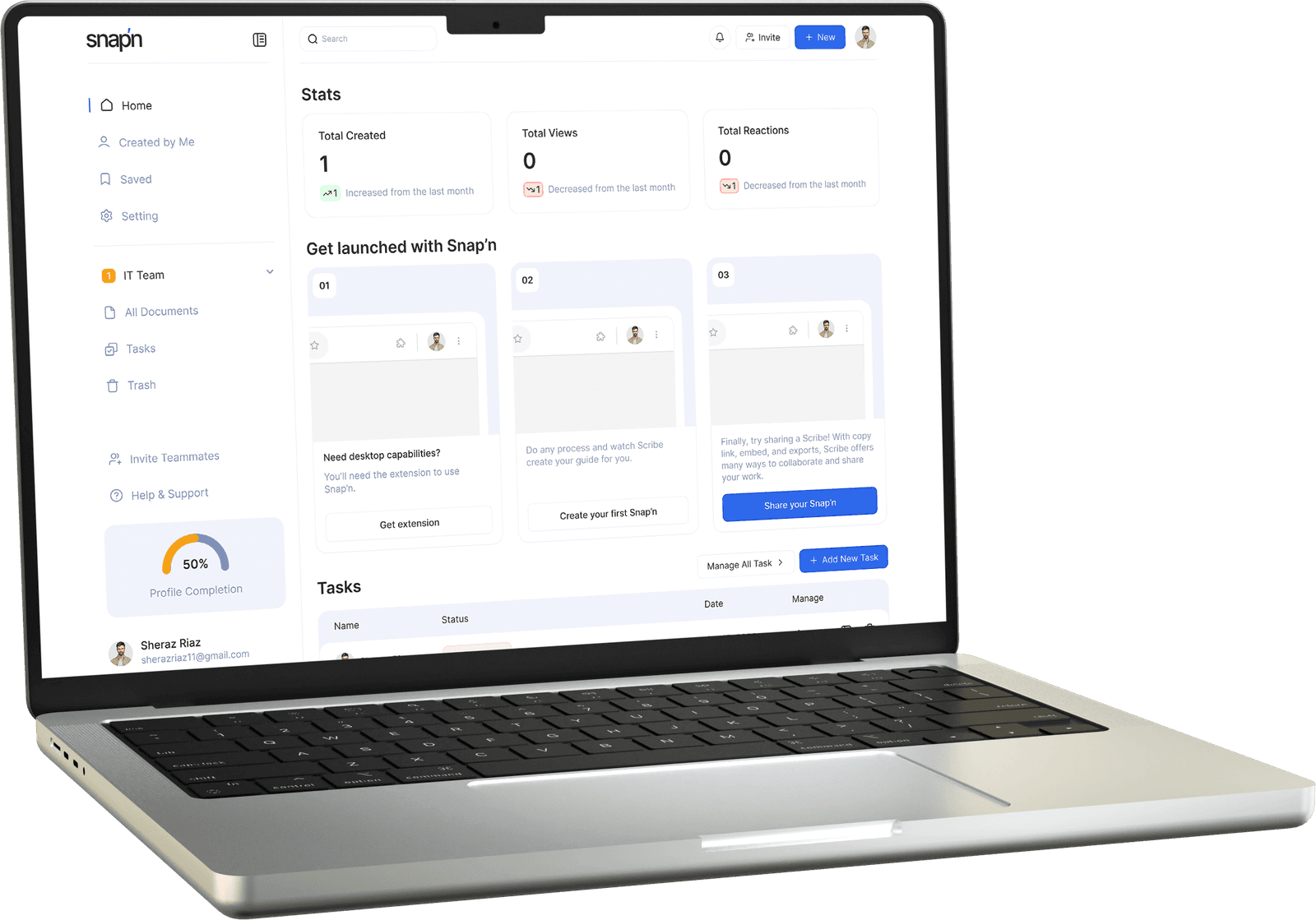
Snapn
Snapn: Accelerating Documentation with AI Workflow Automation
Ability designed and engineered Snapn’s AI-powered documentation platform, helping teams create, manage and scale knowledge with far less manual effort.
- Documentation Time Reduced
- 68%
- Team Productivity Increase
- 2.7x
 Digital Marketing
VVanta
VVanta: AI-Powered Campaign Execution for Digital Marketing
Ability helped VVanta replace fragmented campaign workflows with a structured, AI-powered execution framework spanning Meta, Google Ads, TikTok and programmatic platforms.
- ROAS Improvement
- 50%
- Campaign Setup Efficiency
- 85%
 Streaming
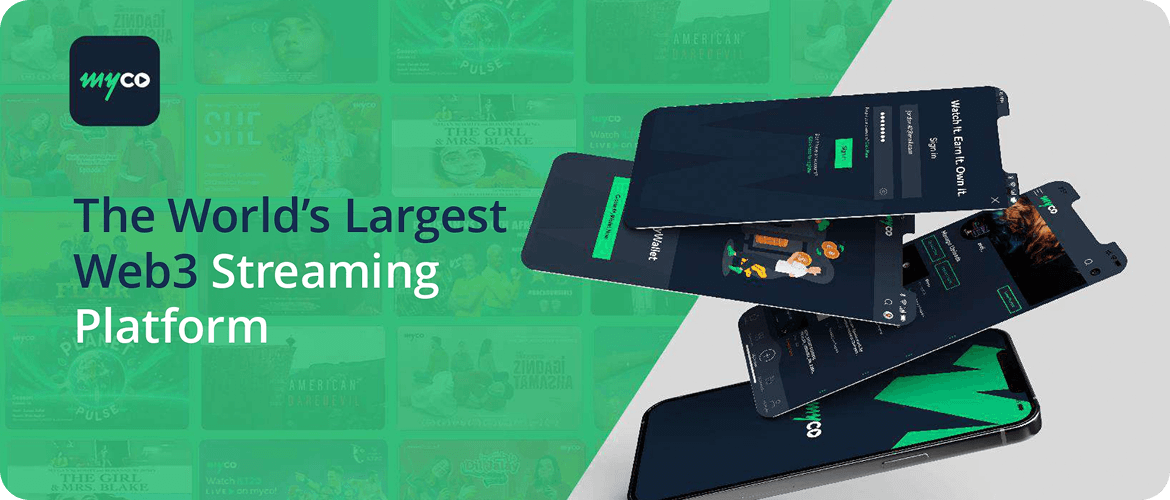
MYCO
MYCO: Building and Scaling a Global Web3 Streaming Platform
Ability TechHub partnered with MYCO from its early growth phase to architect, scale and operate a Web3 streaming platform that supports millions of users globally.
- Global users supported
- Millions
- Streaming latency
- Reduced
Industries
Industries we serve with SaaS Development

Startups & SaaS
Software development for startups and SaaS companies that need to validate quickly, ship a dependable product and scale engineering without slowing down.
Learn more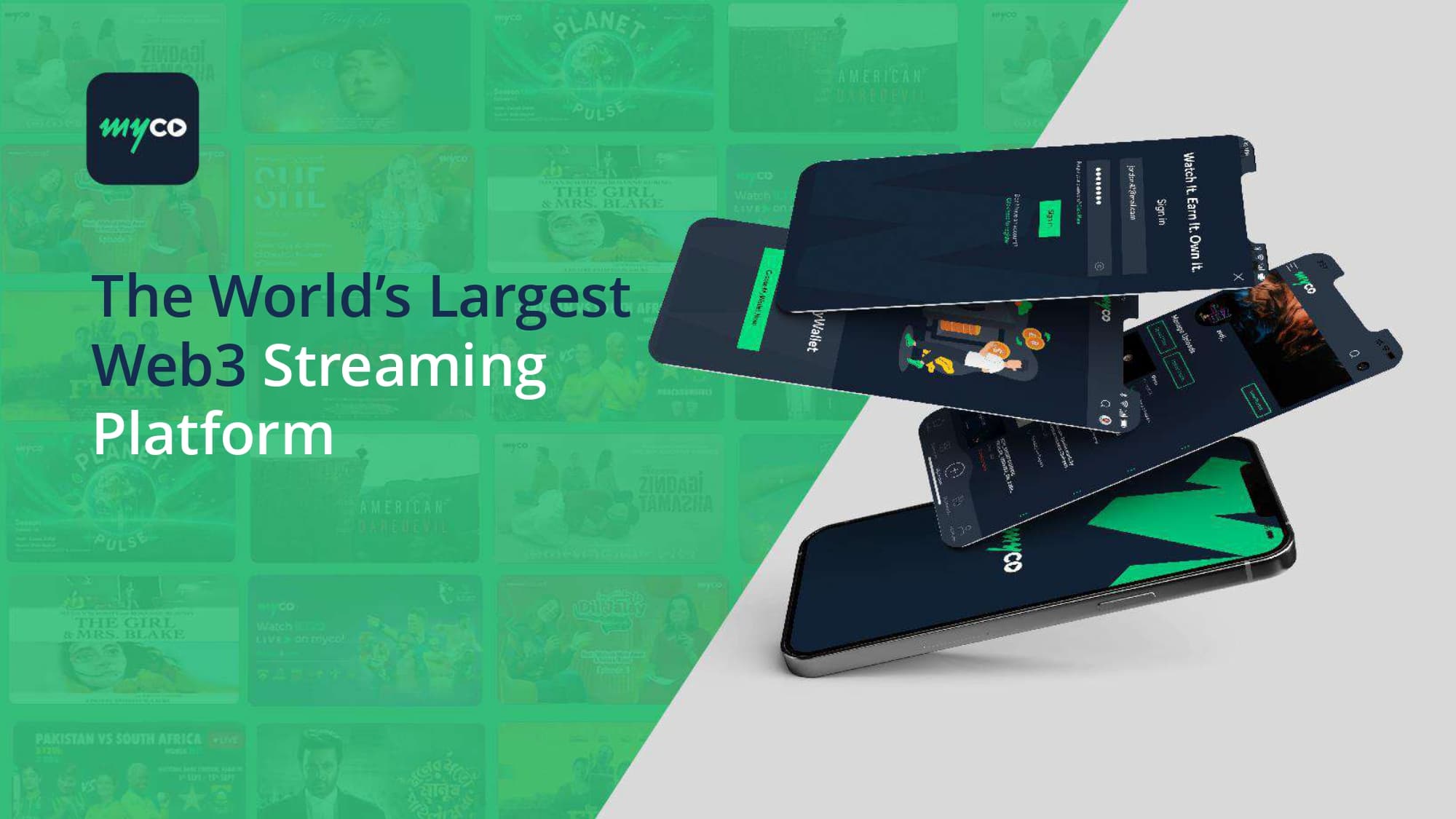
Media & Entertainment
Streaming platform development for media companies and creators that need reliable playback, global scale and new ways to monetize content.
Learn more
Education & EdTech
Education software development for institutions and edtech companies building learning platforms, student systems and data tools that respect student privacy.
Learn more
FAQ
SaaS Development FAQs
How much does it cost to build a SaaS MVP?
Cost typically depends on the complexity of the core workflow, the number of user roles, integrations your customers expect, billing model sophistication and any compliance obligations such as handling health or financial data. We recommend fixing the scope to one complete customer outcome and estimating that in ranges, rather than pricing a full roadmap you have not yet validated with users.
Which multi-tenant model should we choose?
A shared database with tenant identifiers on every row is the most cost-efficient and suits most B2B products. Schema-per-tenant or database-per-tenant isolation costs more to operate but can simplify data residency, per-customer backups and certain enterprise contracts. We choose based on your target customers and compliance needs, and design so the model can be changed for specific tenants later.
Can you work with our in-house product team?
Yes. Some founders want us to own delivery end to end, while others need senior engineers to extend an existing team or set up the platform foundations before internal hires take over. We adapt to your rituals and tools, and we document architecture decisions so knowledge stays with your company as the team grows.
How do you prepare a SaaS product for enterprise customers?
Enterprise buyers usually require single sign-on, user provisioning, granular permissions, audit logs, data export, uptime commitments and answers to detailed security questionnaires. We build these capabilities in a sensible order as your pipeline demands them, and our cybersecurity and compliance team can help you prepare for frameworks your customers ask about, such as SOC 2.
Who owns the product and code?
You own everything: source code, infrastructure, domains, cloud accounts, payment provider accounts and all intellectual property. This matters for fundraising and acquisition, where investors and acquirers will examine whether the company truly controls its core technology. We set up all accounts under your organization from the first week to keep the ownership chain clean.
Can you rebuild a SaaS product that has outgrown its first version?
Yes, and we usually do it incrementally. We identify the components causing the most pain, often tenancy, billing or a bottleneck service, and replace them behind stable interfaces while existing customers keep working. A gradual approach avoids a long feature freeze and spreads migration risk across several smaller, reversible steps.
Related services
Often combined with
Web Application Development
Fast, secure and accessible web applications built with React and Next.js, designed for real users and real traffic.
Explore serviceCloud Solutions
Cloud architecture, migration and modernization on AWS and Azure, planned for reliability, security and controlled cost.
Explore serviceAI Development
AI consulting, LLM and generative AI applications, NLP and AI integration engineered into the products and systems you already run.
Explore service