DevOps Consulting Services
We help engineering teams automate the path from commit to production, define infrastructure as code and gain clear visibility into how systems behave, so shipping becomes routine instead of risky.

What you get
- CI/CD pipeline implementation
- Infrastructure as code
- Containers and Kubernetes
- Observability
The challenge
When releases are painful, teams release less and break more
In many organizations, deploying software is still a manual event. Someone follows a checklist, copies artifacts to servers and hopes nothing was missed. Because each release is stressful, teams batch changes into large, infrequent deployments, which makes failures harder to diagnose and rollbacks harder to perform. Lead time grows, developers context-switch while waiting, and urgent fixes queue behind unrelated work.
The underlying infrastructure often has the same problem. Servers were configured by hand years ago, environments drift apart, and only one or two people know how production is really set up. Monitoring consists of scattered dashboards and alerts that fire too often to be trusted. When an incident happens, engineers spend most of their time finding the cause rather than fixing it.
Manual, error-prone deployments
Checklists and shell access replace automation, so every release depends on individual care and timing.
Environment drift
Development, staging and production differ in subtle ways, so code that passed testing fails unexpectedly in production.
Alert fatigue and blind spots
Noisy alerts hide real problems, while missing traces and logs leave engineers guessing during incidents.
Knowledge locked in individuals
Undocumented infrastructure means vacations and resignations become operational risks for the business.
Our approach
How we implement DevOps
We start by measuring how delivery works today: how long a change takes to reach production, how often deployments happen, how often they fail and how long recovery takes. These four signals, popularized by DORA research, give us a baseline and help prioritize the bottleneck that matters most, whether that is slow tests, manual approvals, fragile environments or missing rollback mechanisms.
Improvements are delivered as working automation your team adopts, not a slide deck. We build pipelines in the CI/CD platform you already use or recommend one, define infrastructure with tools such as Terraform, standardize containers with Docker and orchestrate with Kubernetes where the workload justifies it. Throughout, we pair with your engineers so the practices and the tooling stay with your organization after we step back.
Measure, then automate
Delivery metrics identify the real bottleneck, so automation effort goes where it shortens lead time or reduces failures most.
Small, reversible releases
Frequent, incremental deployments with automated rollback are safer than large, rare ones, and far easier to troubleshoot.
Infrastructure is software
Every environment is reproducible from version-controlled code, reviewed through pull requests like any application change.
Enable, do not gatekeep
We build self-service paths and golden templates so product teams can deploy safely without filing tickets with a central ops group.
Capabilities
DevOps consulting and implementation services
We work across the delivery lifecycle, from the first commit through to production operations and incident response.
CI/CD pipeline implementation
Automated build, test, security scan and deployment pipelines in GitHub Actions, GitLab CI, Azure DevOps or similar tools, with environment promotion, approvals where required and one-click rollback. Pipelines are defined as code in your repositories, so changes to the delivery process are reviewed and versioned like any other change.
Infrastructure as code
Cloud infrastructure on AWS or Azure defined in Terraform or native templates, organized into reusable modules with automated plan reviews, policy checks and drift detection. Modules encode your standards for networking, tagging and security, letting teams create compliant environments without reinventing configuration or waiting on a central team.
Containers and Kubernetes
Containerizing services with Docker, designing Kubernetes clusters or managed equivalents, and setting up deployments, autoscaling, secrets and ingress with sensible defaults rather than unnecessary complexity. We favor managed Kubernetes services and keep cluster configuration minimal, so your team operates a platform it understands rather than a fragile collection of add-ons.
Observability
Structured logging, metrics, distributed tracing and dashboards tied to service-level objectives, with alerting tuned so pages reflect real user impact rather than every transient spike. Telemetry is correlated across services, so an engineer can follow a single slow request from the browser through every API and database call involved.
DevSecOps integration
Dependency scanning, container image scanning, secret detection and infrastructure policy checks embedded in pipelines, giving developers fast security feedback without a separate review queue. Findings are ranked by severity and exploitability, and low-risk noise is filtered out so developers trust the results and act on them quickly.
Release strategies
Blue-green, canary and feature-flag based releases that limit the impact of defects and let teams validate changes with a small share of traffic before full rollout. Automated health checks can halt or reverse a rollout on their own when error rates rise, before most users ever encounter the problem.
Incident response and reliability
On-call design, runbooks, blameless post-incident reviews and reliability improvements prioritized from incident data, so the same failure does not interrupt your team twice. We help define severity levels, escalation paths and status communication, so incidents are handled calmly and stakeholders know what is happening at every stage.
Workflow and operations automation
Scripting repetitive operational tasks such as environment creation, database refreshes, certificate renewal and access provisioning, removing manual toil from engineers' weeks. Automated tasks run on schedules or through chat commands with full logging, which makes routine operations faster, consistent and auditable while freeing engineers for higher-value work.
Solutions
DevOps solutions we put in place
- End-to-end CI/CD pipelines
- Terraform module libraries
- Managed Kubernetes platforms
- Preview environments per pull request
- Centralized logging and tracing
- Automated security scanning in pipelines
- Canary and blue-green deployments
Technology
Tools we use for this work
 Docker
 Kubernetes
 AWS
 Microsoft Azure
 Python
 Node.js
 Jira
See the full stack on our technologies page.
Process
Our DevOps Services process
Step 1
Delivery baseline
We measure lead time, deployment frequency, change failure rate and recovery time, review pipelines and infrastructure, and interview engineers about where they lose time. The output is a prioritized improvement plan.
Step 2
Pipeline for a pilot service
We automate build, test, scanning and deployment for one representative service end to end, proving the pattern and demonstrating measurable improvement before rolling it out more broadly. Lessons from the pilot shape the template.
Step 3
Codify the infrastructure
Existing environments are captured in infrastructure-as-code modules, drift is reconciled and new environments are created from the same templates, so staging and production finally match. Manual changes are then detected automatically.
Step 4
Observability and alerting
We instrument services with logs, metrics and traces, define service-level objectives with product owners and tune alerts so on-call engineers respond to genuine user-facing issues. Noisy alerts are removed or reclassified.
Step 5
Scale out and enable teams
Proven patterns become reusable templates and documentation. We pair with each product team as they adopt them, then reassess delivery metrics to confirm the improvement holds. Remaining gaps feed the next improvement cycle.
Planning a DevOps Services project?
Get an architect’s view on scope, approach and team before you commit budget.

Outcomes
What changes for your business
- 01
More frequent, smaller releases
Automated pipelines make deploying routine, so changes reach users sooner and in manageable increments.
- 02
Fewer failed deployments
Consistent environments and automated testing catch problems before production, and rollbacks are quick when needed.
- 03
Faster incident recovery
Clear telemetry helps engineers locate root causes quickly instead of searching across disconnected tools.
- 04
Reproducible infrastructure
Environments can be rebuilt from code, reducing dependence on individual knowledge and supporting disaster recovery.
- 05
Security earlier in the cycle
Automated scanning surfaces vulnerable dependencies and misconfigurations while they are still cheap to fix.
Proof
Related case studies
 Streaming
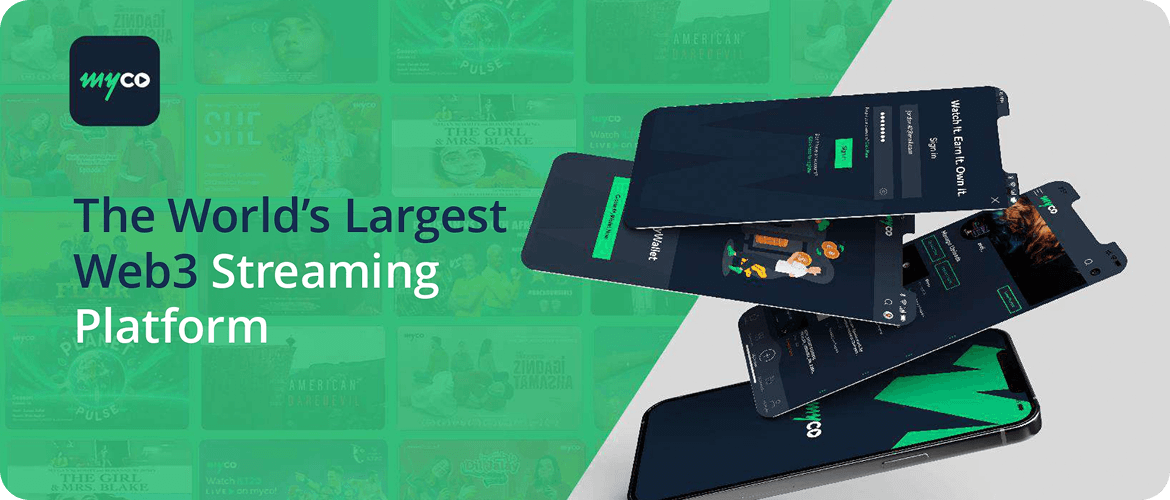
MYCO
MYCO: Building and Scaling a Global Web3 Streaming Platform
Ability TechHub partnered with MYCO from its early growth phase to architect, scale and operate a Web3 streaming platform that supports millions of users globally.
- Global users supported
- Millions
- Streaming latency
- Reduced
 AI
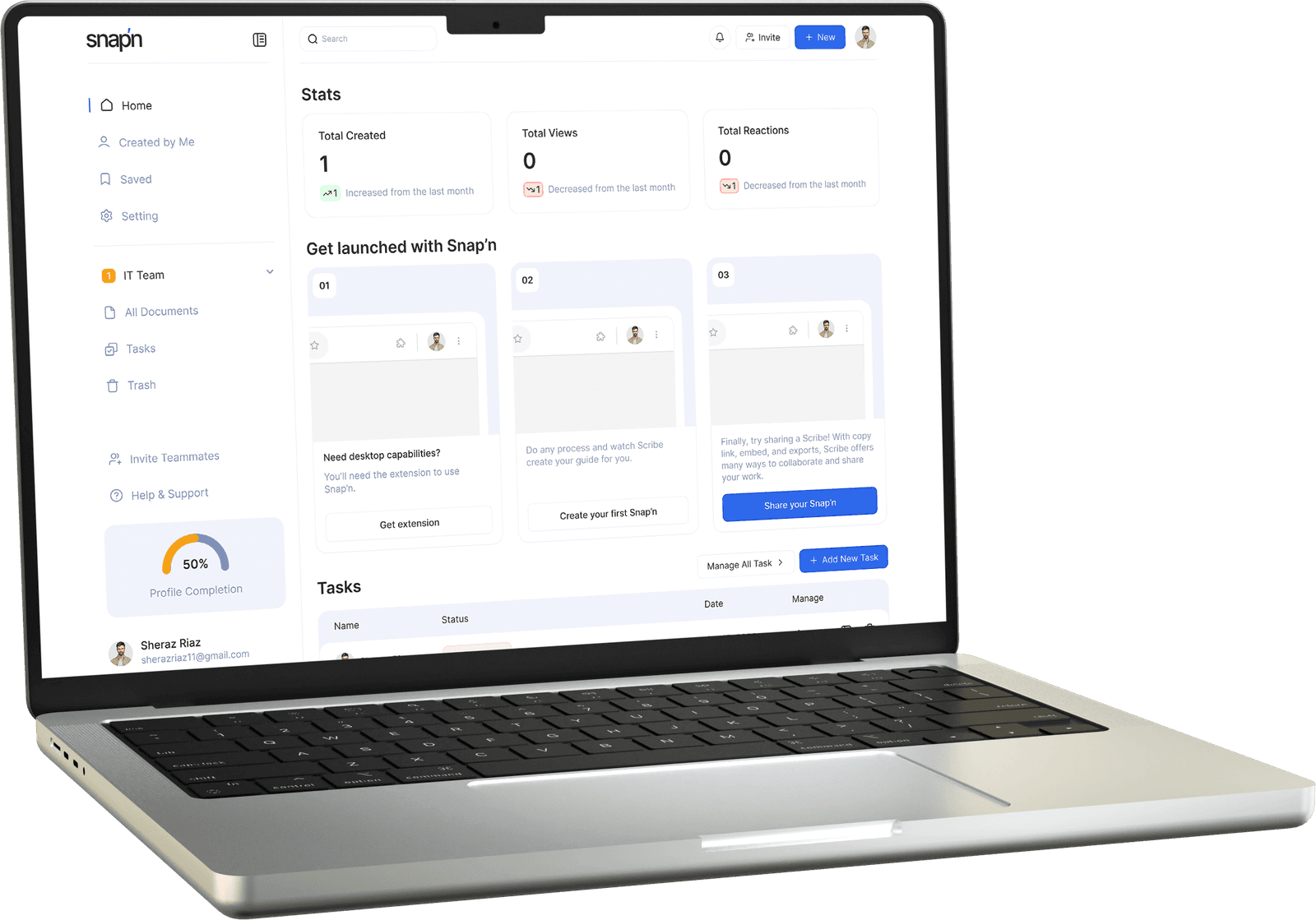
Snapn
Snapn: Accelerating Documentation with AI Workflow Automation
Ability designed and engineered Snapn’s AI-powered documentation platform, helping teams create, manage and scale knowledge with far less manual effort.
- Documentation Time Reduced
- 68%
- Team Productivity Increase
- 2.7x
Industries
Industries we serve with DevOps Services

Startups & SaaS
Software development for startups and SaaS companies that need to validate quickly, ship a dependable product and scale engineering without slowing down.
Learn more
Media & Entertainment
Streaming platform development for media companies and creators that need reliable playback, global scale and new ways to monetize content.
Learn more
Fintech & Banking
Fintech software development for banks, lenders and payment companies that need secure platforms, modern customer operations and audit-ready delivery.
Learn more
FAQ
DevOps Services FAQs
What do DevOps consulting services actually include?
Our DevOps engagements typically cover assessing your current delivery process, building CI/CD pipelines, defining infrastructure as code, containerization and orchestration, observability and alerting, security automation and incident response practices. The exact mix depends on your bottlenecks. We focus on implementing working automation alongside your team rather than producing recommendations alone.
Do we need Kubernetes?
Not necessarily. Kubernetes is powerful for organizations running many services that need consistent deployment, scaling and isolation, but it adds operational overhead. Smaller platforms are often better served by managed container services or platform-as-a-service offerings. We recommend Kubernetes when your service count, team structure and scaling needs justify it, and we choose managed versions to reduce maintenance.
Can you work with our existing CI/CD tools?
Yes. We work within the CI/CD platform you already run, such as GitHub Actions, GitLab CI, Azure DevOps or Jenkins, rather than forcing a migration. If your current tooling is blocking progress, such as an unmaintained self-hosted server, we will explain the trade-offs of moving and plan a gradual migration so existing pipelines keep working throughout the change.
How long before we see results from DevOps improvements?
Results typically depend on the size of your estate and where the main bottleneck lies. Because we start with a pilot service, the first measurable improvement in deployment speed or reliability usually appears well before the broader rollout is complete. We track delivery metrics throughout, so progress is visible in data rather than anecdotes.
How does DevOps improve security?
Automation makes security checks consistent. Pipelines scan dependencies, container images and infrastructure code on every change, secrets are pulled from managed vaults instead of configuration files, and production access becomes less necessary because deployments are automated. Every change is also traceable to a commit and a reviewer, which strengthens audit evidence for compliance programs.
Will our team be able to maintain what you build?
That is the goal of every engagement. Pipelines and infrastructure code live in your repositories, follow common conventions and are documented with runbooks and architecture notes. We pair with your engineers throughout implementation and can provide a transition period of advisory support, so ownership passes to your team with confidence.
Related services
Often combined with
Cloud Solutions
Cloud architecture, migration and modernization on AWS and Azure, planned for reliability, security and controlled cost.
Explore serviceSaaS Development
Multi-tenant SaaS products engineered for onboarding, billing, security and growth, from MVP to scale.
Explore serviceCloud Security
Cloud security architecture, posture management, identity controls and container security for AWS, Azure and Kubernetes environments.
Explore service