Cloud Consulting Services for Migration
We help technology leaders move workloads to AWS or Azure, modernize applications to use the cloud properly, and keep environments secure, resilient and cost-efficient after the migration is done.

What you get
- Cloud readiness assessment
- Landing zone design
- Workload migration
- Application modernization
The challenge
Moving to the cloud is easy; getting value from it is not
Many organizations have already moved some workloads to the cloud, yet the expected benefits never fully arrived. Virtual machines were lifted as-is from the data center, environments were created by hand, and nobody owns the monthly bill. Costs climb steadily, resilience is no better than before, and engineers still wait days for new environments because provisioning was never automated. The cloud ends up feeling like a more expensive data center.
Others are still planning their first migration and are wary of downtime, data loss and runaway spend. They must decide which applications to rehost, which to re-platform onto managed services and which to retire, while satisfying security and compliance teams. Without a clear landing zone, account structure and governance model, early cloud projects tend to sprawl and become harder to control with every new workload added.
Rising, unpredictable cloud bills
Oversized instances, idle environments and untagged resources drive spending that finance cannot attribute or forecast.
Lift-and-shift without benefit
Applications moved unchanged keep their old scaling limits and maintenance burden while adding cloud complexity.
Migration downtime fears
Business owners resist migration windows for critical systems without a credible plan for data sync, testing and rollback.
Weak cloud governance
Inconsistent accounts, permissions and network rules create security gaps and make audits slow and painful.
Our approach
Our cloud consulting approach
We start with a workload-by-workload assessment rather than a blanket strategy. For each application we review dependencies, performance, data sensitivity, licensing and business criticality, then recommend whether to rehost, re-platform, refactor, replace or retire it. The result is a migration roadmap grouped into waves, beginning with lower-risk workloads that build team confidence and prove the landing zone before critical systems move.
Foundations come first. We design a landing zone on AWS or Azure with a clear account or subscription structure, identity integration, network segmentation, logging, tagging and budget alerts, all defined as code. Modernization then focuses on where managed services genuinely reduce effort, such as managed databases, containers or serverless functions, so your team spends less time patching servers and more time improving products.
Workload-specific decisions
Each application receives the migration path that fits its value and risk, instead of forcing every system through the same pattern.
Everything as code
Networks, permissions and environments are defined in version-controlled templates, making them reviewable, repeatable and recoverable.
Cost visibility from the start
Tagging standards, budgets and regular rightsizing reviews make every dollar of cloud spend attributable to a team or product.
Security in the foundation
Least-privilege access, encryption, centralized logging and guardrail policies are part of the landing zone rather than later fixes.
Capabilities
Cloud consulting and engineering services
We support the full cloud journey, from strategy and migration to modernization and ongoing optimization.
Cloud readiness assessment
Discovery of applications, infrastructure, dependencies and costs, producing a business case, a recommended migration path per workload and a sequenced roadmap with risks and prerequisites identified up front. Workloads that should stay on premises or be retired are identified too, avoiding migration effort that would never pay back.
Landing zone design
Multi-account or multi-subscription structures on AWS or Azure with identity federation, network topology, guardrail policies, centralized logging and cost controls, delivered as infrastructure-as-code your team can extend. A sound landing zone means every later workload inherits consistent security and governance automatically instead of configuring it one project at a time.
Workload migration
Planned migration waves with data replication, cutover rehearsals, validation testing and rollback plans, designed to keep downtime for business-critical systems as short as the application allows. Application owners agree on success criteria before each wave, and we validate performance and functionality against those criteria immediately after cutover.
Application modernization
Containerizing applications with Docker and Kubernetes, moving to managed databases and caches, and breaking out components where it improves scalability or release speed without unnecessary rewrites. We modernize where it pays back through lower operational effort, better resilience or faster releases, and leave stable components alone.
Database migration
Moving SQL Server, Oracle, PostgreSQL or MongoDB workloads to managed cloud services, including schema conversion, replication, performance testing and licensing review to avoid unexpected cost changes. Data integrity checks compare source and target before cutover, so business owners can sign off on migrated data with confidence.
Cost optimization
Rightsizing, scheduling non-production environments, storage lifecycle policies, commitment-based discounts and architectural changes that reduce spend while preserving performance and resilience. We present each recommendation with its estimated effort and risk, prioritize the quick wins, and set up recurring reviews and budget alerts so savings persist instead of eroding as new workloads are added.
Resilience and disaster recovery
Multi-zone architectures, automated backups, documented recovery objectives and tested failover procedures, so recovery plans are proven in practice rather than written and forgotten. We run recovery exercises with your team so failover steps are familiar, timings are measured and gaps are fixed long before a real outage tests them.
Solutions
Cloud outcomes we deliver
- Data center exit and migration programs
- Secure AWS and Azure landing zones
- Containerized application platforms
- Managed database migrations
- Hybrid connectivity to on-premises systems
- Disaster recovery environments
- Cloud cost reviews and optimization plans
Technology
Tools we use for this work
 AWS
 Microsoft Azure
 Docker
 Kubernetes
 PostgreSQL
 SQL Server
 Oracle
 MongoDB
 Redis
See the full stack on our technologies page.
Specialised services
Focused cloud solutions services
- Cloud Migration ServicesPlanned moves of applications, data and infrastructure to AWS or Azure, sequenced to limit downtime and leave you with something easier to run.
- CI/CD Pipeline ServicesAutomated build, test and deployment pipelines that let your team release small changes often, with checks that catch problems before production.
- Infrastructure as Code ServicesCloud environments defined in Terraform or native templates, versioned and reviewed like application code so every change is repeatable.
- Cloud Cost OptimizationA structured review of your AWS or Azure spend that cuts waste, right-sizes resources and sets up the visibility to keep costs under control.
Process
Our Cloud Solutions process
Step 1
Discover and assess
We inventory applications, servers, data stores and dependencies, gather utilization and cost data, and interview application owners about criticality and constraints to build a factual picture of the current estate.
Step 2
Plan waves and business case
Workloads are grouped into migration waves with a chosen path for each. We estimate target running costs, effort and risks so leadership can approve the program with realistic expectations. Early waves deliberately carry lower risk.
Step 3
Build the landing zone
We deploy the account structure, identity, networking, logging, security guardrails and cost controls as code, then validate them with a pilot workload before any business-critical system moves. Your security team reviews the guardrails.
Step 4
Migrate and validate
Each wave follows a rehearsed runbook: replicate data, test in the target environment, agree go or no-go criteria with owners, cut over during an approved window and keep rollback ready.
Step 5
Optimize and hand over
After migration we rightsize resources, tune autoscaling, review spend against forecasts and transfer runbooks and dashboards to your operations team or to our managed services team. A follow-up review confirms savings hold over time.
Planning a Cloud Solutions project?
Get an architect’s view on scope, approach and team before you commit budget.

Outcomes
What changes for your business
- 01
Spend you can explain
Tagging, budgets and rightsizing make cloud costs predictable and attributable to the teams that generate them.
- 02
Faster environment provisioning
Infrastructure defined as code lets teams create consistent environments in a fraction of the time manual setup required.
- 03
Improved resilience
Multi-zone designs and tested recovery procedures reduce the business impact of infrastructure failures.
- 04
Less undifferentiated maintenance
Managed services take over patching, backups and scaling so engineers focus on product work.
- 05
Stronger security posture
Guardrails, centralized logging and least-privilege access are consistent across every account and workload.
Proof
Related case studies
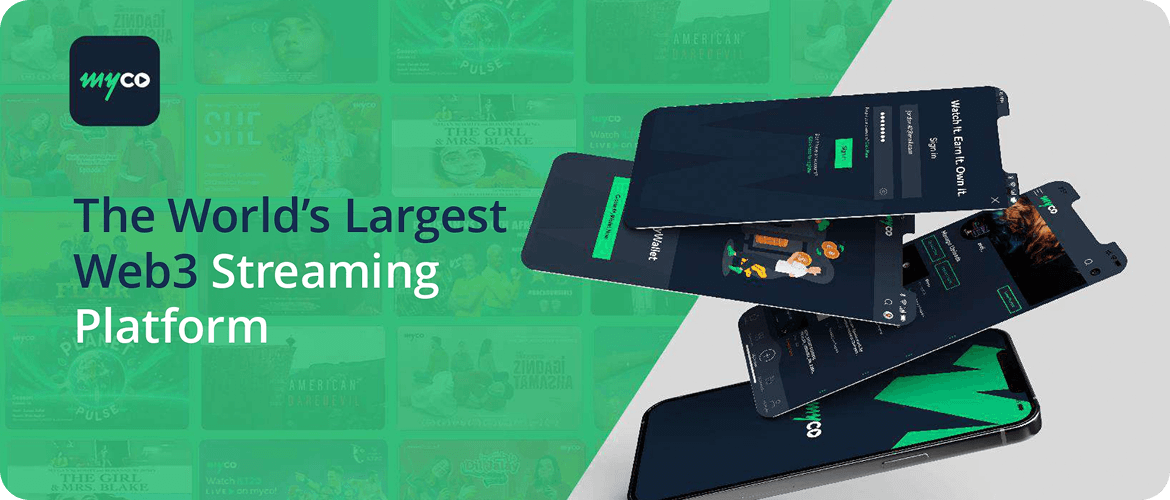 Streaming
MYCO
MYCO: Building and Scaling a Global Web3 Streaming Platform
Ability TechHub partnered with MYCO from its early growth phase to architect, scale and operate a Web3 streaming platform that supports millions of users globally.
- Global users supported
- Millions
- Streaming latency
- Reduced
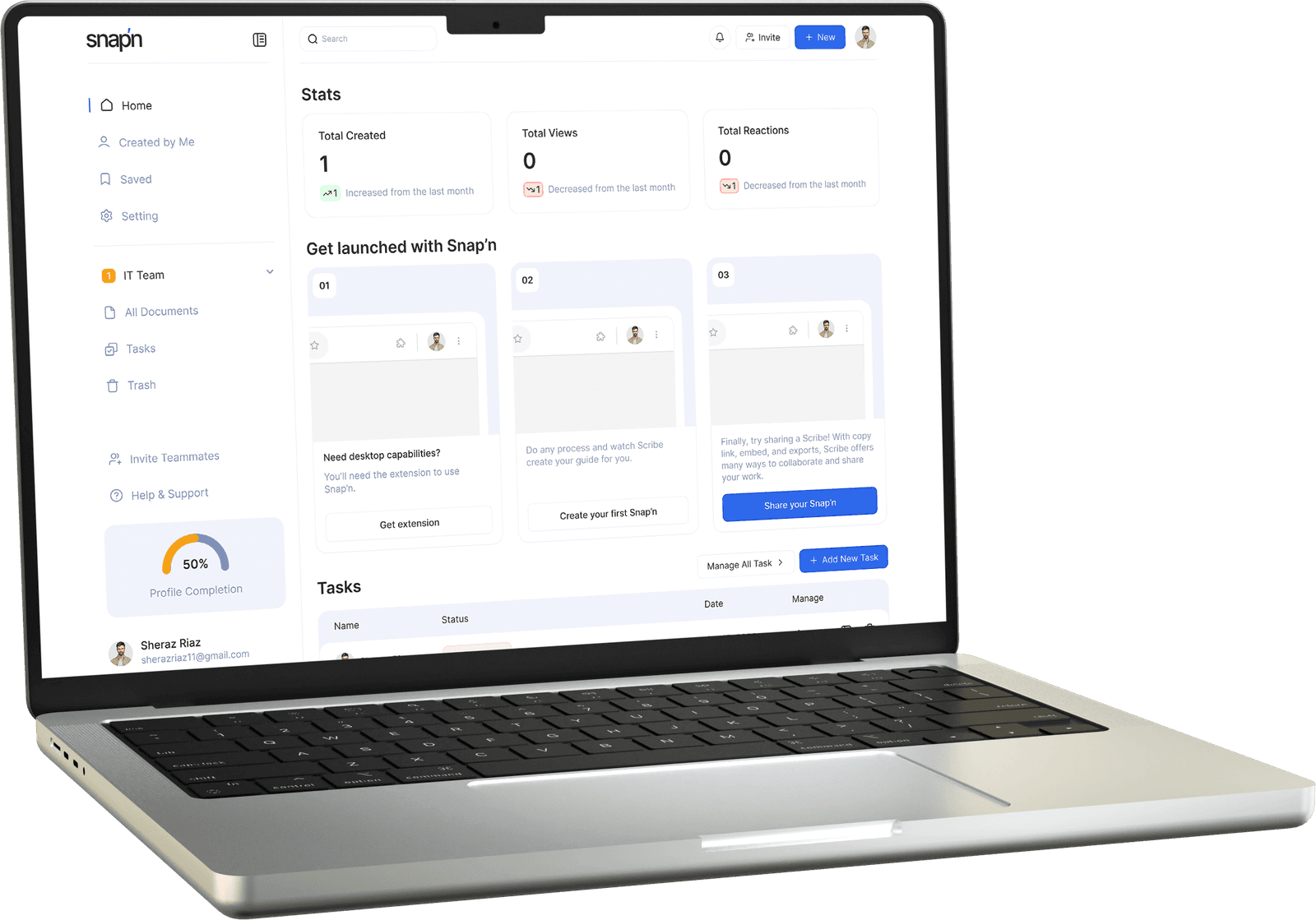 AI
Snapn
Snapn: Accelerating Documentation with AI Workflow Automation
Ability designed and engineered Snapn’s AI-powered documentation platform, helping teams create, manage and scale knowledge with far less manual effort.
- Documentation Time Reduced
- 68%
- Team Productivity Increase
- 2.7x
Industries
Industries we serve with Cloud Solutions

Fintech & Banking
Fintech software development for banks, lenders and payment companies that need secure platforms, modern customer operations and audit-ready delivery.
Learn more
Healthcare
Healthcare software development for providers and health tech companies that need secure, interoperable systems clinicians and patients actually use.
Learn more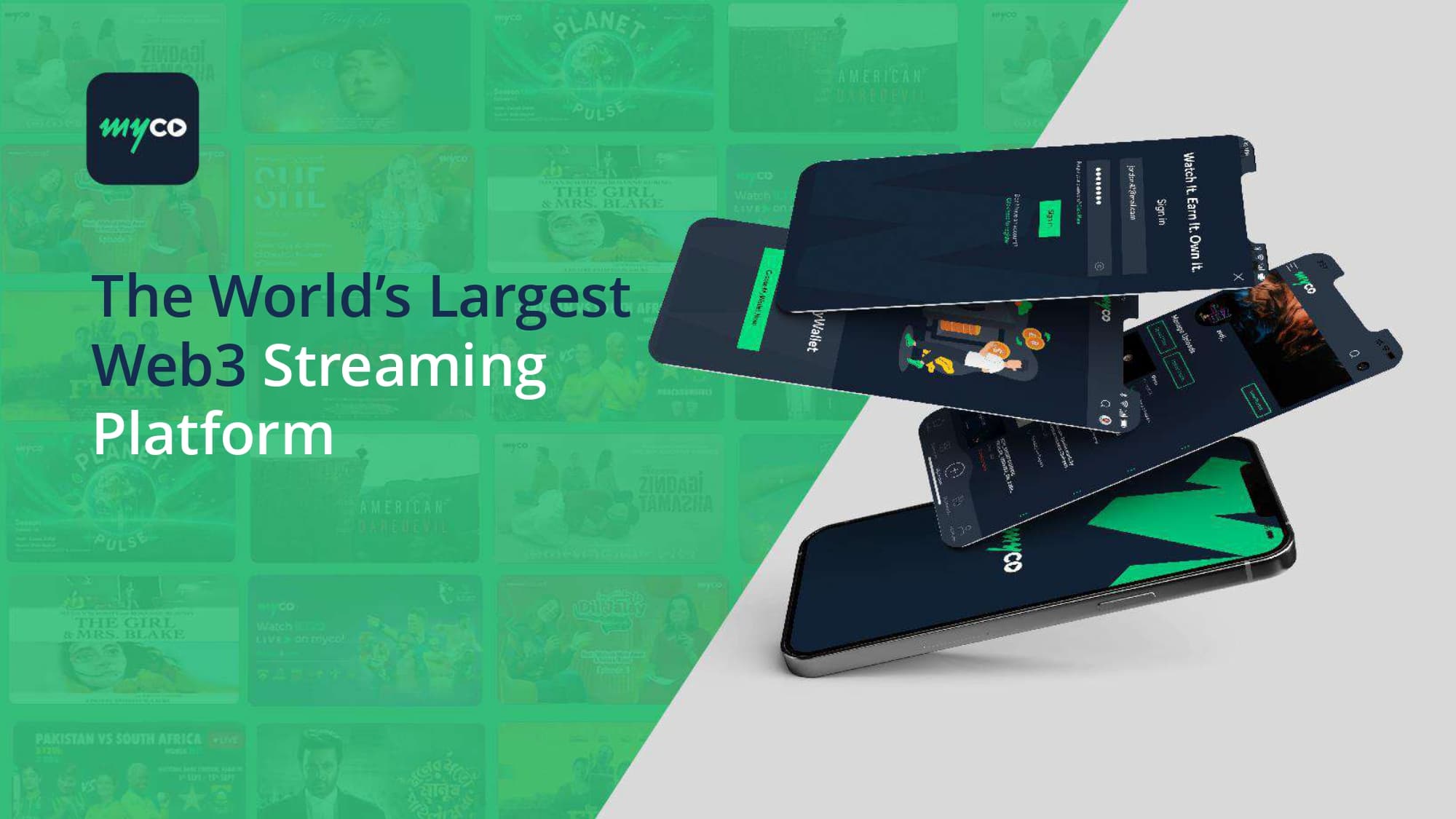
Media & Entertainment
Streaming platform development for media companies and creators that need reliable playback, global scale and new ways to monetize content.
Learn more
Startups & SaaS
Software development for startups and SaaS companies that need to validate quickly, ship a dependable product and scale engineering without slowing down.
Learn more
FAQ
Cloud Solutions FAQs
Should we choose AWS or Azure?
Both are mature platforms, and the better choice usually depends on your existing estate. Organizations heavily invested in Microsoft 365, Active Directory and SQL Server often find Azure integration and licensing advantageous. Teams building cloud-native products frequently prefer AWS for its breadth of managed services. We assess your workloads, skills and contracts and recommend with the trade-offs explained.
How do you minimize downtime during cloud migration?
We replicate data continuously to the target environment ahead of cutover, rehearse each migration in a non-production run, define objective go or no-go criteria with application owners and keep the source environment ready for rollback. Actual downtime typically depends on the application architecture and data volume, and we agree the expected window with stakeholders before scheduling any cutover.
What determines the cost of a cloud migration?
Migration cost typically depends on the number and complexity of workloads, how much modernization each requires, data volumes, compliance obligations, licensing changes and the extent of testing and parallel running needed. Ongoing cloud costs depend on architecture choices made during the program, which is why we model target running costs during planning rather than after the bills arrive.
Can you reduce our existing cloud bill?
In most environments that grew without governance, there is room to save. We review utilization, identify idle and oversized resources, schedule non-production environments, apply storage lifecycle rules and evaluate commitment-based pricing. Larger savings often come from architectural changes, such as moving to managed services or containers, which we present with effort estimates so you can prioritize.
How do you handle security and compliance in the cloud?
Security is designed into the landing zone: federated identity with least-privilege roles, encryption at rest and in transit, network segmentation, centralized audit logging and policy guardrails that block risky configurations. For regulated workloads, we map controls to your compliance requirements, and our cloud security team can provide continuous posture monitoring and assessments.
Do we have to modernize applications to benefit from the cloud?
Not always. Rehosting can be the right first step when a data center contract is ending or speed matters most. However, the largest benefits in elasticity, maintenance and cost usually come from re-platforming onto managed services or containerizing applications. We often recommend migrating first and modernizing selected workloads afterward, guided by actual usage data.
Related services
Often combined with
DevOps Services
CI/CD pipelines, infrastructure as code, observability and automation that make releases frequent, safe and routine.
Explore serviceCloud Security
Cloud security architecture, posture management, identity controls and container security for AWS, Azure and Kubernetes environments.
Explore serviceManaged IT Services
Infrastructure, cloud and application support run under clear SLAs, with 24/7 monitoring and a team that knows your environment.
Explore service