Hire a dedicated development team
We assemble engineers, QA specialists and a delivery lead around your product and roadmap, then keep the team stable so knowledge compounds over time instead of walking out the door.

What you get
- Full-stack product engineering
- Web and mobile front ends
- Quality assurance and test automation
- DevOps and cloud engineering
The challenge
Product roadmaps stall when engineering capacity is unstable
Most product companies hit the same wall. The roadmap grows, local hiring takes months, and the engineers you do have are split between new features, maintenance and production support. Agencies can ship a project, but they rotate people across clients, so each new phase starts with re-learning the codebase and the business rules buried inside it. Freelancers fill short gaps, but rarely stay long enough to own anything important.
The impact compounds. Features slip by quarters, technical debt builds because nobody owns the long-term health of the system, and leadership spends more time managing vendors than making product decisions. What is needed is engineering capacity with continuity: people who stay on the product, understand why it was built the way it was, and take responsibility for what they ship.
Slow local hiring
Senior engineers are scarce and slow to hire in many markets, and every open role delays the roadmap it was meant to unblock.
Knowledge lost to rotation
Project-based vendors move people between clients, so context about architecture decisions and business logic disappears between phases.
Fragmented accountability
When several freelancers or vendors touch the same codebase, standards drift and nobody owns delivery from end to end.
Little time-zone overlap
Teams with no shared working hours turn quick questions into day-long delays and make collaborative work such as code review painfully slow.
Our approach
Build a stable team around your product, then make it accountable
We design the team from the roadmap backward. After understanding your architecture, backlog and delivery cadence, we propose a team shape, usually a mix of frontend, backend, QA and DevOps skills with a delivery lead, and recruit specifically for it from our talent network across Portugal, LATAM, the UAE and Asia. You interview and approve every engineer before they join.
Once onboarded, the team works inside your tools and rituals: your Jira board, your repositories, your sprint reviews. We handle employment, equipment, workspace, HR and retention, while the delivery lead tracks velocity, quality and team health. It is the model behind our work with MYCO, where cross-functional teams supported a Web3 streaming platform across a multi-year partnership. Your product owner keeps authority over priorities, scope and what ships.
Continuity over headcount
We optimize for engineers who stay on your product. Stable teams retain context, make better architectural decisions and need less supervision over time.
Your process, your tools
The team adopts your workflows, coding standards and communication channels rather than asking you to adapt to a vendor’s way of working.
Overlap by design
Engineers are selected with working hours in mind, leaving a meaningful daily window for stand-ups, reviews and pairing with your in-house staff.
Transparent delivery
Sprint output, quality metrics and team changes are visible to you at all times, so there are no surprises at the end of a quarter.
Capabilities
What a dedicated team can cover
Teams are shaped around the work. Some clients need a complete product squad; others need a backend and QA core that complements an in-house frontend team.
Full-stack product engineering
Engineers experienced with React, Next.js, Node.js, Django, FastAPI, Laravel and .NET who build features end to end, from database schema and APIs to the interface your users see, following your architecture and code review standards.
Web and mobile front ends
Frontend specialists who build responsive web interfaces and mobile experiences, work closely with design, and maintain component libraries so that new features stay consistent with what already ships to customers. They also own frontend performance, accessibility and cross-browser behavior.
Quality assurance and test automation
Manual and automated testing embedded in every sprint, including regression suites, API tests and release checklists, so quality is built into delivery instead of being inspected at the end of a release cycle. QA engineers join refinement sessions to clarify acceptance criteria early.
DevOps and cloud engineering
Engineers who maintain CI/CD pipelines, containerized environments on Docker and Kubernetes, and AWS or Azure infrastructure, keeping releases frequent and production stable as the product and its traffic grow. They also manage environments, secrets and monitoring for the team.
Delivery management
A delivery lead who runs ceremonies, manages dependencies, reports progress and raises risks early. They bridge your product owners and the engineers without taking product authority away from you, and they keep sprint commitments realistic.
Technical leadership
Senior engineers or tech leads who own architecture decisions within agreed boundaries, review code, mentor the team and keep technical debt visible on the backlog next to feature work. They document key decisions so the reasoning survives team changes.
UI/UX and product design
Designers working in Figma who produce user flows, prototypes and design systems in step with engineering, so the team builds from validated designs rather than guessing at intent. Usability feedback is folded into the backlog alongside engineering work.
Team operations and HR
Recruitment, employment contracts, payroll, equipment, workspace, performance reviews and retention are handled by us, so you manage the product and the work rather than the administration around it. Engineers also get a stable workspace and equipment from day one.
Solutions
Team shapes we commonly build
- Long-term product squads
- Backend and API engineering teams
- Frontend and design pods
- QA and test automation units
- Cloud and DevOps engineering cells
- Maintenance and modernization teams
- Data and integration engineering teams
Technology
Tools we use for this work
 React
 Next.js
 Node.js
 Python
 Django
 AWS
 Docker
 Jira
See the full stack on our technologies page.
Specialised services
Focused dedicated development teams services
- Offshore Development CenterA long-term engineering center that works as an extension of your company, with its own team, processes and culture built around your products.
- Nearshore Development TeamsDedicated engineering teams scheduled for real working-hour overlap with your company, so collaboration happens live rather than overnight.
- Build Operate TransferWe build and run an engineering center for you, then transfer the team, assets and operations to your own entity on agreed terms.
Process
Our Dedicated Development Teams process
Step 1
Roadmap and team design
We review your product, architecture, backlog and delivery goals, then propose a team composition, seniority mix and working-hours plan.
Step 2
Candidate selection
We shortlist engineers from our network and through targeted recruitment. You run technical interviews and approve every person before they join.
Step 3
Onboarding
Engineers get access to your repositories, tools and documentation, meet your team and pick up starter tickets with support from a tech lead.
Step 4
Sprint delivery
The team works in your cadence with stand-ups, reviews and retrospectives, while the delivery lead reports on progress, quality and risks.
Step 5
Grow and evolve
As the roadmap changes, we adjust team size and skills, plan knowledge transfer for any role changes and keep documentation current.
Planning a Dedicated Development Teams project?
Get an architect’s view on scope, approach and team before you commit budget.

Outcomes
What changes for your business
- 01
Roadmap capacity you can plan on
A stable team with known velocity makes quarterly planning realistic instead of aspirational.
- 02
Context that compounds
Engineers who stay on the product understand its history, so changes become faster and safer over time.
- 03
Less management overhead
Employment, HR and equipment are handled for you, and the delivery lead absorbs day-to-day coordination.
- 04
Consistent engineering standards
One accountable team following your review and testing practices keeps code quality from drifting.
- 05
Faster release cycles
Embedded QA and DevOps reduce friction between finished code and production, as MYCO experienced over the course of its partnership.
Proof
Related case studies
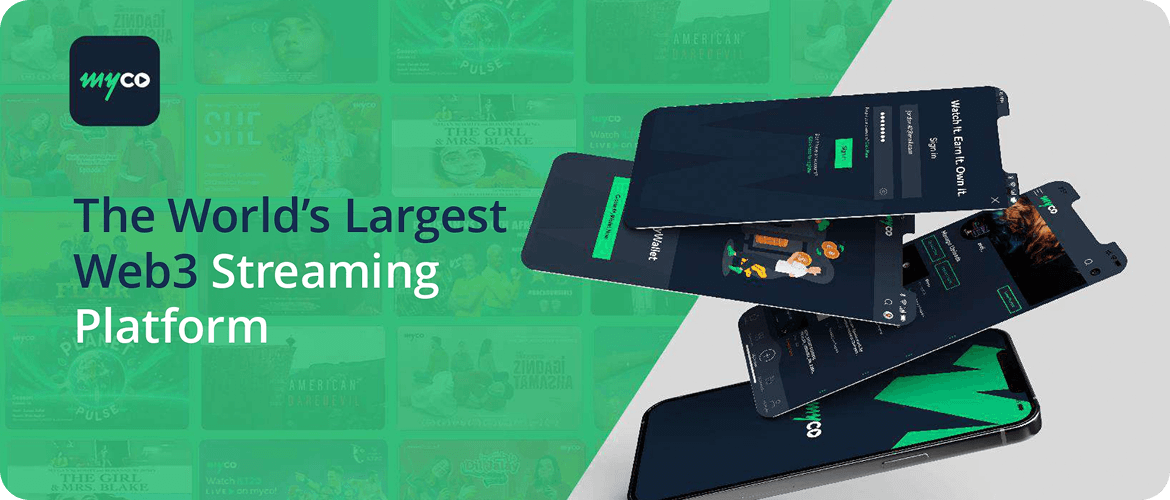 Streaming
MYCO
MYCO: Building and Scaling a Global Web3 Streaming Platform
Ability TechHub partnered with MYCO from its early growth phase to architect, scale and operate a Web3 streaming platform that supports millions of users globally.
- Global users supported
- Millions
- Streaming latency
- Reduced
 Banking
UAE Banking & Fintech Institution
UAE Banking Institution: From Legacy Operations to Digital Fintech
Ability helped a UAE banking financial institution modernize customer and core banking operations through offshore delivery, AI-powered automation and digital infrastructure upgrades.
- Cost Reduction
- 50%
- Increase in ENR Sales
- 400%
Industries
Industries we serve with Dedicated Development Teams

Startups & SaaS
Software development for startups and SaaS companies that need to validate quickly, ship a dependable product and scale engineering without slowing down.
Learn more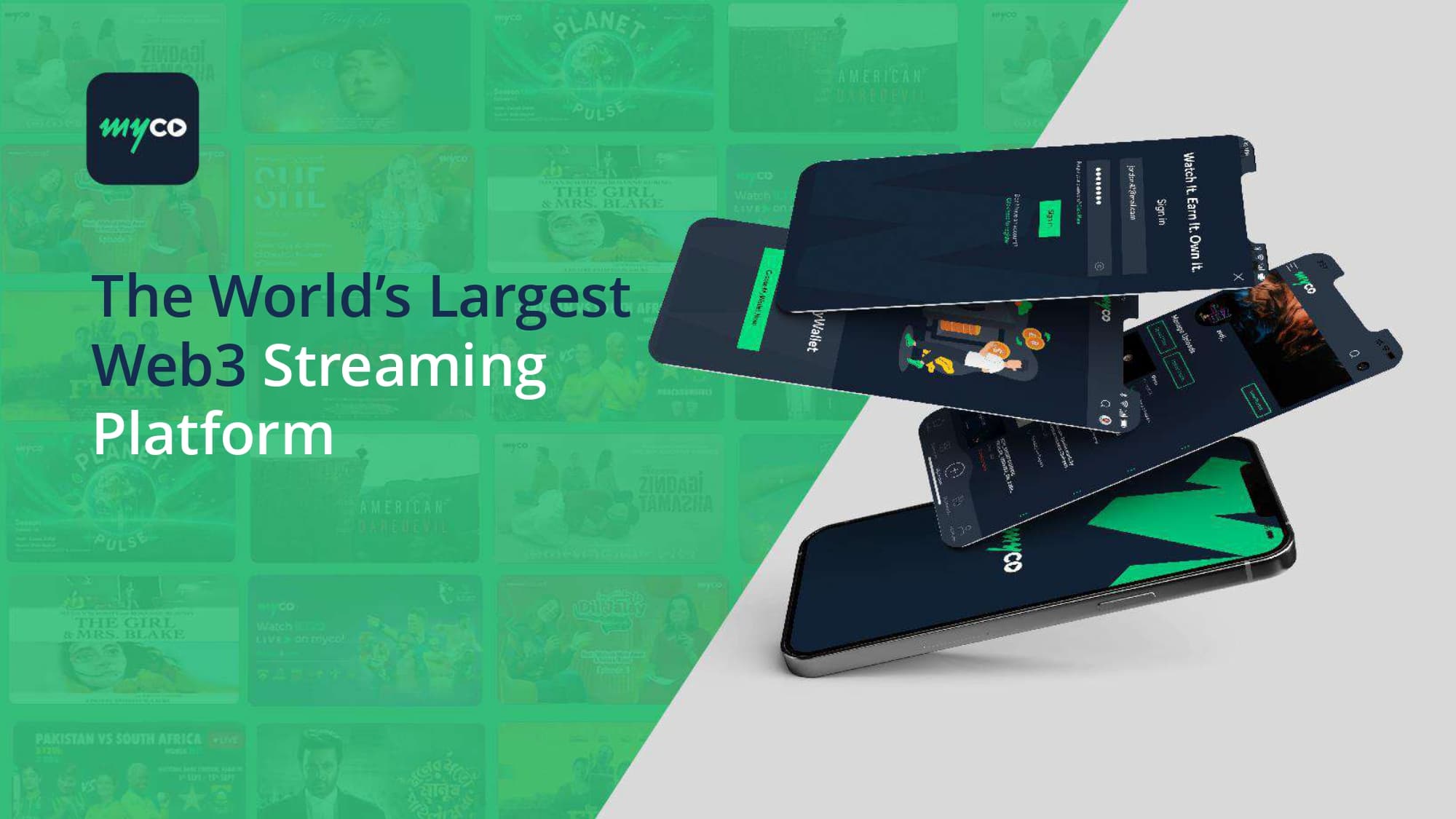
Media & Entertainment
Streaming platform development for media companies and creators that need reliable playback, global scale and new ways to monetize content.
Learn more
Fintech & Banking
Fintech software development for banks, lenders and payment companies that need secure platforms, modern customer operations and audit-ready delivery.
Learn more
FAQ
Dedicated Development Teams FAQs
How is a dedicated development team different from staff augmentation?
Staff augmentation adds individual engineers to a team you already manage. A dedicated development team is a complete, stable unit, often with its own tech lead, QA and delivery lead, built around your product for the long term. You still set priorities and own the roadmap, but day-to-day coordination, quality practices and team health are handled within the team itself.
Who owns the code and intellectual property?
The intent is that you own what the team builds for you. We work with you to set out intellectual property assignment and confidentiality terms in the engagement contract before work begins, and we recommend that code lives in your repositories from the first commit. Engineers access your systems through accounts you control, so you can audit or revoke access at any time.
How much time-zone overlap can we expect?
Overlap is planned when the team is designed rather than left to chance. Because our talent network spans Portugal, LATAM, the UAE and Asia, we can select engineers whose working hours align with yours, for example LATAM-based engineers for North American companies or Portugal-based engineers for European teams. Core collaboration hours are agreed during onboarding.
What happens if an engineer is not the right fit or leaves?
We work with you to address fit issues early, usually through direct feedback and a short improvement plan. If a change is needed, we source a replacement, plan an overlap where possible and use documentation and pairing to transfer context. Because the team is built for continuity, we also watch engagement and retention risks proactively rather than waiting for a resignation letter.
How quickly can a dedicated team start?
Timing typically depends on the roles, seniority and stack you need, and on how quickly your interview process runs. Some profiles may already be available in our network, while specialist roles require targeted recruitment. We share a realistic hiring plan after scoping and onboard engineers in waves, so work can begin before the full team is in place.
What does the cost of a dedicated development team depend on?
Cost is driven mainly by team size, the seniority and skill mix of each role, and where the engineers are based. Specialist skills such as DevOps or data engineering cost more than generalist roles, and a team with its own delivery lead and QA carries more overhead than a small developer pod. After scoping, we provide a transparent monthly cost broken down by role.
Related services
Often combined with
IT Staff Augmentation
Vetted engineers who join your existing team, follow your processes and scale up or down as project demand changes.
Explore serviceCustom Software Development
Purpose-built software engineered around how your business actually operates, with clean architecture and full code ownership.
Explore serviceTech Recruitment Services
End-to-end recruitment for technical roles, from role scoping and sourcing to assessment, offers and onboarding.
Explore service