AI Automation Services
We automate the operational work that traditional scripts and RPA struggle with: reading unstructured documents, interpreting emails, applying judgment-based rules and coordinating steps across several systems, with people kept in the loop wherever accountability requires it.

What you get
- Process discovery and automation roadmap
- Intelligent document processing
- Email and request triage
- AI agents for multi-step workflows
The challenge
Where traditional automation runs out of road
Rule-based automation works well when inputs are structured and predictable. Most operational work is neither. Invoices arrive in dozens of layouts, customer emails mix several requests in one message, and approval decisions depend on context that lives in three different systems. Teams end up with partial automation surrounded by manual copy, paste and review. Projects that promised end-to-end savings end up covering only the easiest fraction of the work.
That manual layer is expensive and fragile. Processing times stretch during peaks, error rates climb when staff are rushed, and institutional knowledge sits in the heads of a few experienced operators. Leaders want to scale operations without adding headcount at the same rate, but brittle bots that break whenever a screen changes have made many teams skeptical of automation altogether.
Unstructured inputs
PDFs, scans, emails and free-text forms require interpretation before any downstream system can act on them.
Judgment-based steps
Exceptions, eligibility checks and prioritization decisions are hard to express as fixed rules, so they stay manual.
Work spread across many systems
A single process touches email, ERP, CRM and spreadsheets, and every handoff adds delay and risk of error.
Brittle legacy bots
Screen-scraping automation breaks with interface changes and needs constant maintenance to keep running.
Our approach
Our approach: automation with judgment and oversight
We map the process as it actually runs, including workarounds and exception paths, and measure where time and errors accumulate. Then we decide, step by step, what should be handled by deterministic code, what needs AI interpretation and what must remain a human decision. This mix keeps automation reliable while extending it into work that was previously out of reach.
Where AI agents are appropriate, we give them narrow, well-defined tools such as looking up a record or drafting a response, rather than unrestricted access. Every automated action is logged, confidence thresholds route uncertain cases to people, and operators get a review queue rather than a black box. Integrations use APIs wherever available, which makes the automation far more durable than screen-level bots.
Right tool for each step
Deterministic code, AI models and human review are combined deliberately rather than forcing AI into every task.
Human-in-the-loop by design
Confidence thresholds and approval queues keep people accountable for high-impact or uncertain decisions.
API-first integration
Connecting to systems through APIs and events produces automation that survives interface updates.
Full audit trail
Every input, decision and action is recorded so operations, finance and audit teams can trace outcomes.
Capabilities
AI automation capabilities
We design, build and support automation that spans document intake, decisioning and system orchestration.
Process discovery and automation roadmap
Observation and data analysis of current workflows to quantify effort, error hotspots and automation potential. The output is a prioritized roadmap that separates quick wins from larger initiatives and makes the business case for each explicit.
Intelligent document processing
Extraction of fields, tables and clauses from invoices, claims, applications, contracts and identity documents. Extracted data is validated against business rules and source systems, and low-confidence fields are routed to a reviewer with the document highlighted.
Email and request triage
Classification of inbound emails, tickets and forms by intent, urgency and customer, with key details extracted and the request routed to the correct queue or workflow. Draft replies can be prepared for agents to approve.
AI agents for multi-step workflows
Agents that plan and execute bounded sequences of tasks, such as gathering information from several systems, preparing a case summary and proposing a decision. Each agent operates with scoped permissions, step limits and escalation rules.
Workflow orchestration and integration
Event-driven pipelines that connect ERP, CRM, finance and collaboration tools so work moves automatically between systems. Retries, idempotency and error handling are engineered in so failures are visible and recoverable rather than silent. Each run is traceable from trigger to final action.
RPA modernization
Assessment and replacement of fragile screen-scraping bots with API integrations and AI components, prioritizing the bots that consume the most maintenance effort or carry the most operational risk. Where a bot remains the most practical option for a system without APIs, we keep it and add monitoring so failures surface quickly.
Operations dashboards and exception queues
Interfaces where operators review exceptions, approve actions and monitor throughput, accuracy and backlog. Feedback captured in these queues is used to improve models and rules over time. Supervisors can reassign work, adjust thresholds within agreed limits and see where backlogs are building.
Solutions
Automation solutions we deliver
- Accounts payable invoice capture and matching
- Insurance and warranty claims intake
- Customer onboarding and KYC document checks
- Shared inbox triage with drafted responses
- Purchase order and approval workflows
- Case summary agents for operations teams
- Automated reporting across business systems
Technology
Tools we use for this work
 Python
 FastAPI
 Node.js
 TypeScript
 PostgreSQL
 Redis
 Docker
 Microsoft 365
 Odoo
 Microsoft Azure
See the full stack on our technologies page.
Specialised services
Focused ai automation services
- Robotic Process AutomationSoftware bots for repetitive, rule-based work in systems without good APIs, built with monitoring, exception handling and a clear maintenance plan.
- Intelligent Document ProcessingExtract, classify and validate data from invoices, forms, contracts and scans, with confidence scores and human review for uncertain fields.
- Business Process AutomationEnd-to-end automation of approvals, requests and handoffs across teams and systems, with clear rules, audit trails and human decision points.
- CRM AutomationAutomated lead routing, follow-ups, data hygiene and service workflows in your CRM, so sales and support teams spend time on customers.
- ERP AutomationAutomated order, invoice, inventory and close workflows around your ERP, with validated data entry, integrations and exception queues.
Process
Our AI Automation process
Step 1
Process mapping
We document the current workflow, including exceptions and workarounds, and measure volumes, cycle times and error rates.
Step 2
Automation design
Each step is assigned to code, AI or human review, with confidence thresholds, approval points and audit requirements defined.
Step 3
Build and integrate
We develop extraction models, agents and orchestration, and connect them to source and target systems through APIs.
Step 4
Parallel run
The automation runs alongside the existing process so outputs can be compared and thresholds tuned before cutover.
Step 5
Cutover and continuous improvement
After go-live we track throughput and exception rates, retrain on reviewer feedback and extend automation to adjacent steps.
Planning a AI Automation project?
Get an architect’s view on scope, approach and team before you commit budget.

Outcomes
What changes for your business
- 01
Shorter cycle times
Requests and documents move through the process without waiting for manual data entry or handoffs.
- 02
Capacity to absorb growth
Operations handle higher volumes and seasonal peaks without a proportional increase in staff.
- 03
Fewer manual errors
Validation against source systems catches mistakes that slip through repetitive keying and copy-paste work.
- 04
Staff focused on exceptions
Experienced operators spend their time on the cases that need expertise instead of routine processing.
- 05
Traceable operations
An audit trail of every automated decision supports internal controls and external audits.
Proof
Related case studies
 AI
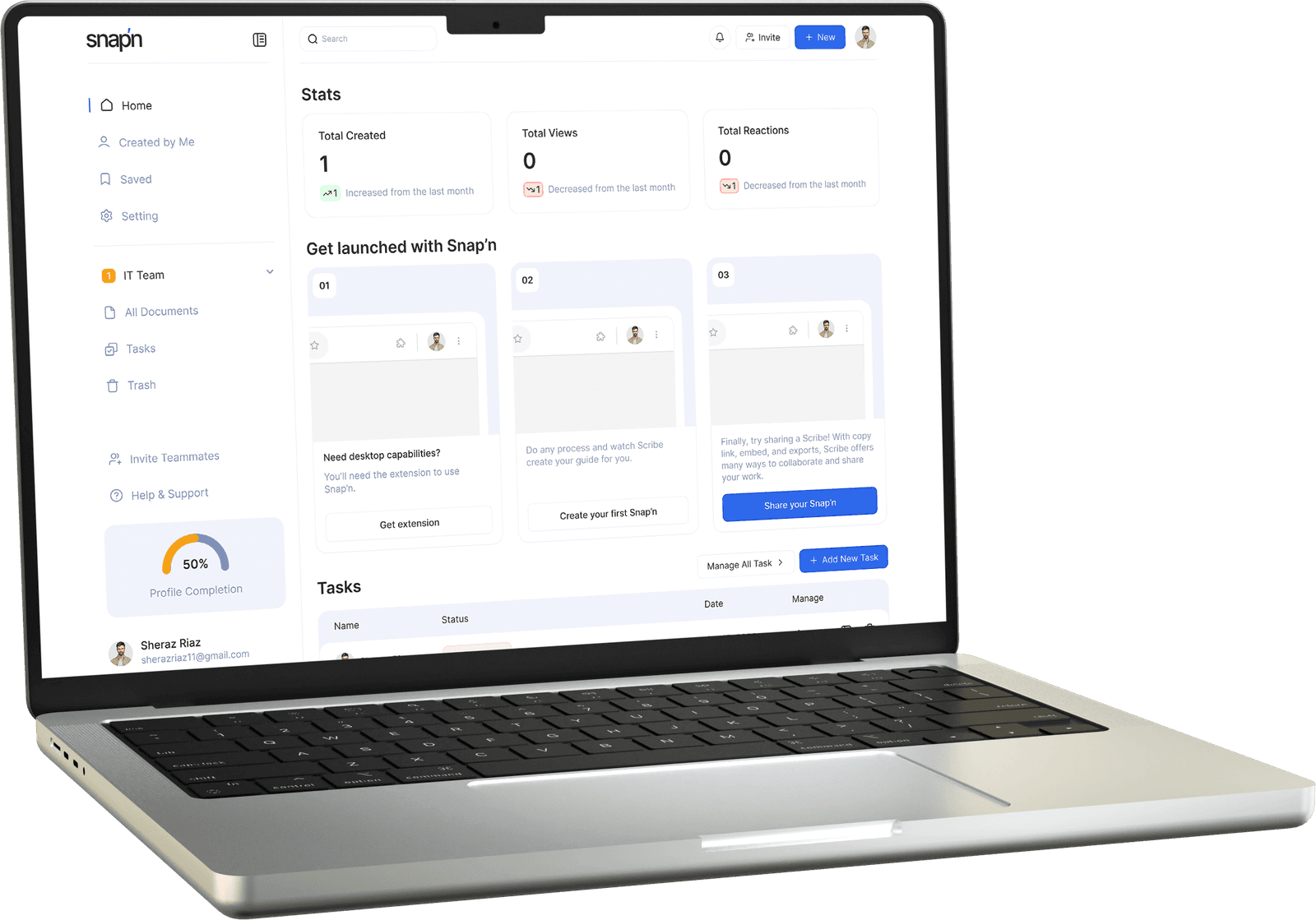
Snapn
Snapn: Accelerating Documentation with AI Workflow Automation
Ability designed and engineered Snapn’s AI-powered documentation platform, helping teams create, manage and scale knowledge with far less manual effort.
- Documentation Time Reduced
- 68%
- Team Productivity Increase
- 2.7x
 Digital Marketing
VVanta
VVanta: AI-Powered Campaign Execution for Digital Marketing
Ability helped VVanta replace fragmented campaign workflows with a structured, AI-powered execution framework spanning Meta, Google Ads, TikTok and programmatic platforms.
- ROAS Improvement
- 50%
- Campaign Setup Efficiency
- 85%
 Banking
UAE Banking & Fintech Institution
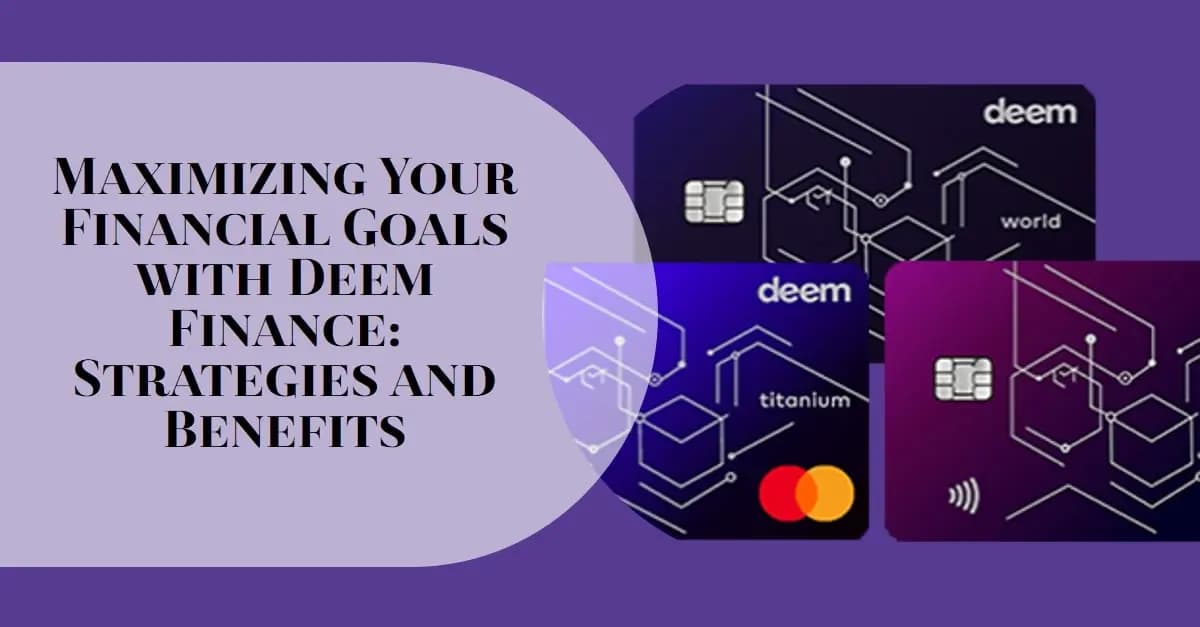
UAE Banking Institution: From Legacy Operations to Digital Fintech
Ability helped a UAE banking financial institution modernize customer and core banking operations through offshore delivery, AI-powered automation and digital infrastructure upgrades.
- Cost Reduction
- 50%
- Increase in ENR Sales
- 400%
Industries
Industries we serve with AI Automation

Fintech & Banking
Fintech software development for banks, lenders and payment companies that need secure platforms, modern customer operations and audit-ready delivery.
Learn more
Logistics & Supply Chain
Logistics software development for carriers, 3PLs and shippers that need real-time visibility, connected partners and fewer manual handoffs.
Learn more
Healthcare
Healthcare software development for providers and health tech companies that need secure, interoperable systems clinicians and patients actually use.
Learn more
Startups & SaaS
Software development for startups and SaaS companies that need to validate quickly, ship a dependable product and scale engineering without slowing down.
Learn more
FAQ
AI Automation FAQs
How is AI automation different from RPA?
RPA mimics clicks and keystrokes on structured screens, which works for stable, rule-based tasks but breaks when inputs vary or interfaces change. AI automation adds the ability to interpret documents, language and context, and we prefer API integrations over screen automation. Many processes benefit from both, and we reuse existing RPA where it remains reliable.
Are AI agents safe to use in business processes?
They are when their scope is controlled. We give agents a limited set of tools with specific permissions, cap the number of steps they can take, and require human approval for actions above defined thresholds, such as payments or customer commitments. Every action is logged with its reasoning so supervisors can review behavior and adjust rules quickly.
Which processes are the best candidates to automate first?
Strong first candidates are high-volume, repetitive processes with clear outcomes and measurable effort, such as invoice processing, request triage or onboarding document checks. They should also have a business owner willing to define rules and review exceptions. We avoid starting with rare, highly variable processes where automation savings are hard to demonstrate.
What happens when the automation is unsure?
Each AI component produces a confidence signal. Below an agreed threshold, the item is routed to a human review queue with the relevant document, extracted data and suggested action highlighted. Reviewer decisions are captured and used to improve the model, so the share of items needing review typically declines as the system learns from real cases.
What drives the cost of an AI automation project?
Cost typically depends on the number of systems involved, the variety of document and request types, integration options available in those systems, review and audit requirements, and expected volumes. We usually begin with one process end to end, measure the result, and use that evidence to plan and budget the next phase of the roadmap.
Related services
Often combined with
AI Development
AI consulting, LLM and generative AI applications, NLP and AI integration engineered into the products and systems you already run.
Explore serviceAI Chatbot Development
Custom AI chatbots and conversational assistants that resolve customer and employee questions using your own knowledge, systems and policies.
Explore serviceData Analytics
Business intelligence, Power BI dashboards and data engineering that give leaders one trusted view of performance across their systems.
Explore service